- April 29, 2026
Sustainable Fashion in Everyday Life Simple Choices Meaningful Effects
Truth is, sustainable fashion isn’t just boardrooms and treaties. Closer than that – it lives in your closet. Every choice matters more than you think – not only buying, yet holding on longer too. Even after wear fades, the story continues – where it goes counts. Small steps shape the whole path without needing grand gestures.
Little changes add up without demanding everything change at once. What starts quietly gains strength by repeating, day after day. Slowly, each decision leans into the next, building something steady. Results emerge not from single acts, but how they gather when linked.
Rethinking What We Buy
Most days bring small choices, fast. Think about it – a backpack you carry to the office, a cover slipped over your computer, something tucked into luggage when moving around. These picks happen without much pause. Still, behind every pick there’s weight. What seems minor still matters.
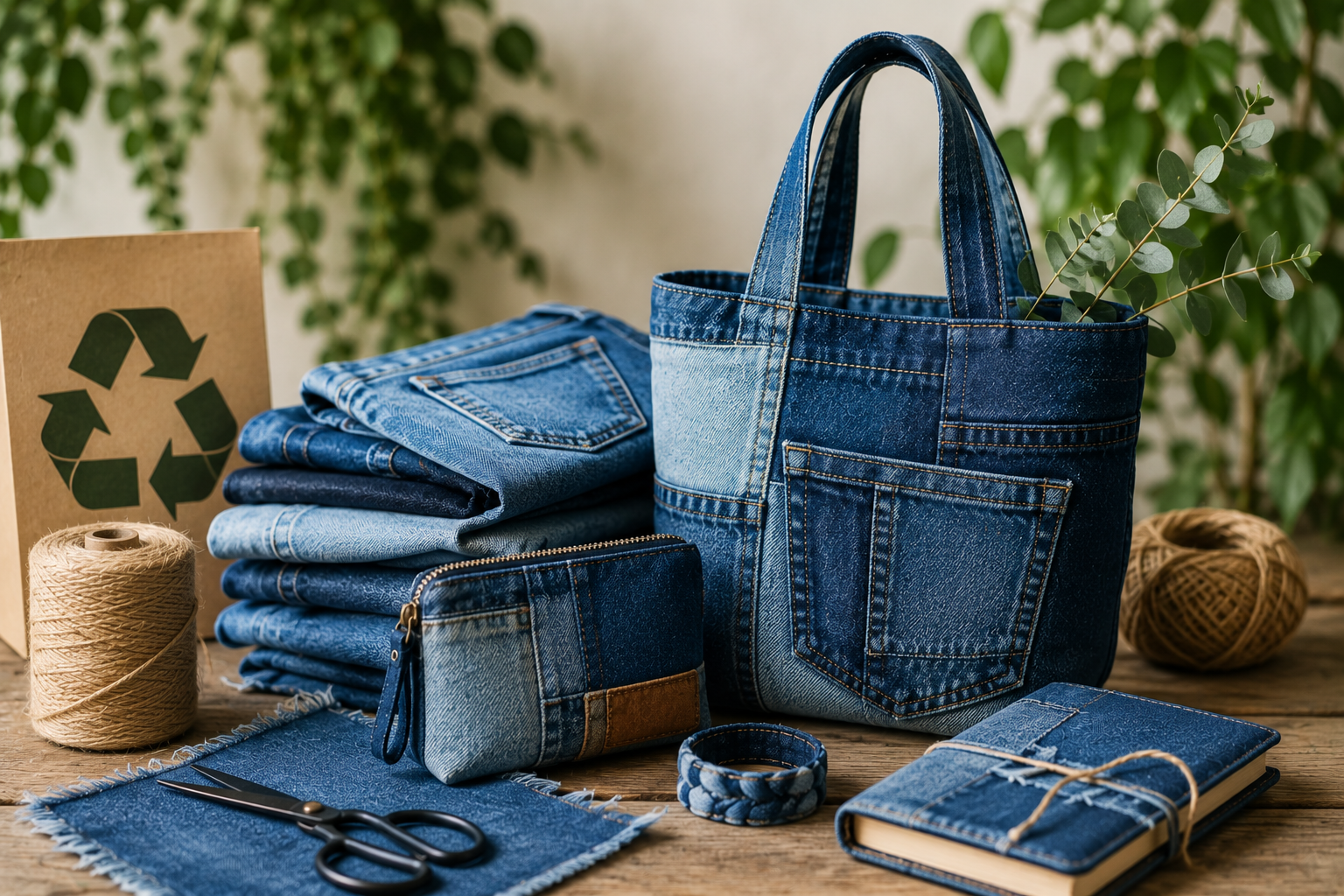
Some folks now skip the cheap stuff you toss fast. Long-lasting things catch their eye instead. Because old jeans get another life in some bags and belts, less trash piles up. These pieces hold up well through heavy use too.
Out of worn denim, companies like useDEM craft useful goods – think tote bags or sleeves for electronics. Not merely practical, these pieces give leftover fabric a second run before trash claims it.
Using More Buying Less
Wearing clothes longer changes how we see style. Instead of chasing new items labeled green, people choose fewer pieces that last. Using what you own becomes the quiet shift.
What sticks around gets used more, fixed up rather than tossed out, while flexible picks quietly cut clutter. Built tough, one solid piece skips the cycle of constant swaps, standing in for heaps that fade fast.
This way of thinking shifts attention away from how much there is toward what it means. Rather than swapping things out fast, folks start choosing pieces meant to last.
Giving Old Items a Second Life
After a thing stops being useful, what follows weighs just as heavily as buying it did.
Take old jeans. These never have to sit forgotten in a closet or get tossed away. Turned into tote bags, small holders, maybe even kitchen towels instead. Doing this makes green living real – hands on, not just talked about.
Old stuff gets a second life when people find new uses for it. This means fewer raw resources get pulled from the ground. Machines run less often because demand slows. Less waste piles up in landfills. Nature takes a breather when factories scale back.
Function Before Extra
Most days, comfort wins. Still, that ease piles up in ways we do not need. Clothing built to last offers another path – value shaped by use, not clutter.
A single thoughtfully made item often does more than a pile of nearly identical ones. Take a sturdy bag – it might handle what three flimsy versions claim to do. One useful laptop cover could easily step in for half a dozen fragile cases. Even a simple, flexible tool may quietly take over roles usually split among many. Durable design skips the clutter without skipping function.
By cutting down options, things get easier plus mess goes down.
What Products Tell Us
Folks these days seem curious – questions pop up more often than before
- Was this built somewhere specific?
- What materials were used?
- For how much time does it hold up?
What we choose each day can start with a thought. Items built from reused stuff mean more than their price – change shapes them, not only factories.
Stories shape how we see the things we own. Because of that, objects start feeling like companions through time.
Small Habits That Make a Difference
Every little choice adds up when it comes to wearing clothes that last. Think of how a single swap – like picking natural fibers – starts shifting the pattern. One morning you air out a sweater instead of tossing it. Later, mending a loose seam becomes normal. Reaching for the same jacket again? That counts too. Over time these quiet moments shape something steady without fanfare.
- Reusing items instead of discarding them
- Choosing durable accessories over fast alternatives
- Repairing instead of replacing
- Supporting brands that prioritize responsible production
- Being mindful before making a purchase
On their own, each step looks tiny. Yet when combined, change starts – quietly steering what gets made, reshaping design and manufacturing from behind.
Conclusion
Everyday choices carry sustainable fashion forward. Not just catwalks or big corporate shifts shape it. Instead, small habits give it life. Quiet moments of picking what to wear matter most.
When people pick long-lasting items, they start shifting habits right away. What if using less stuff became normal? Choosing wisely changes patterns slowly. Reuse gets easier when thinking shifts early. Waste drops once habits change quietly. Lasting choices add up without fanfare. Less buying means fewer resources pulled from the ground. Daily decisions ripple outward, unstated but clear. Habits shape systems more than slogans ever could.
Old things get a second chance through items made by companies such as useDEM. Yet real change happens when users decide differently – how they treat belongings, give them worth, keep using instead of replacing.
One step at a time, living sustainably through clothes isn’t about getting it right every moment. Instead, it grows from noticing what’s around you – then choosing change, slowly, quietly, each small act adding up.