- May 1, 2026
B2B Surplus Textile Transformation in Europe: A Corporate Approach
Leftover fabrics pile up in factories from Portugal to Poland. Unused stock sits untouched inside storage rooms and backrooms of stores. Instead of seeing excess as just waste, some see raw potential waiting. Old habits around production are starting to shift slowly. Extra material might soon mean fresh beginnings rather than dead ends.
Something different is unfolding. Instead of treating leftover fabrics like waste, firms now view them differently – almost as hidden value. By using organized reuse methods alongside loop-based systems, organizations turn idle cloth into useful branded items while supporting eco-friendly outcomes.
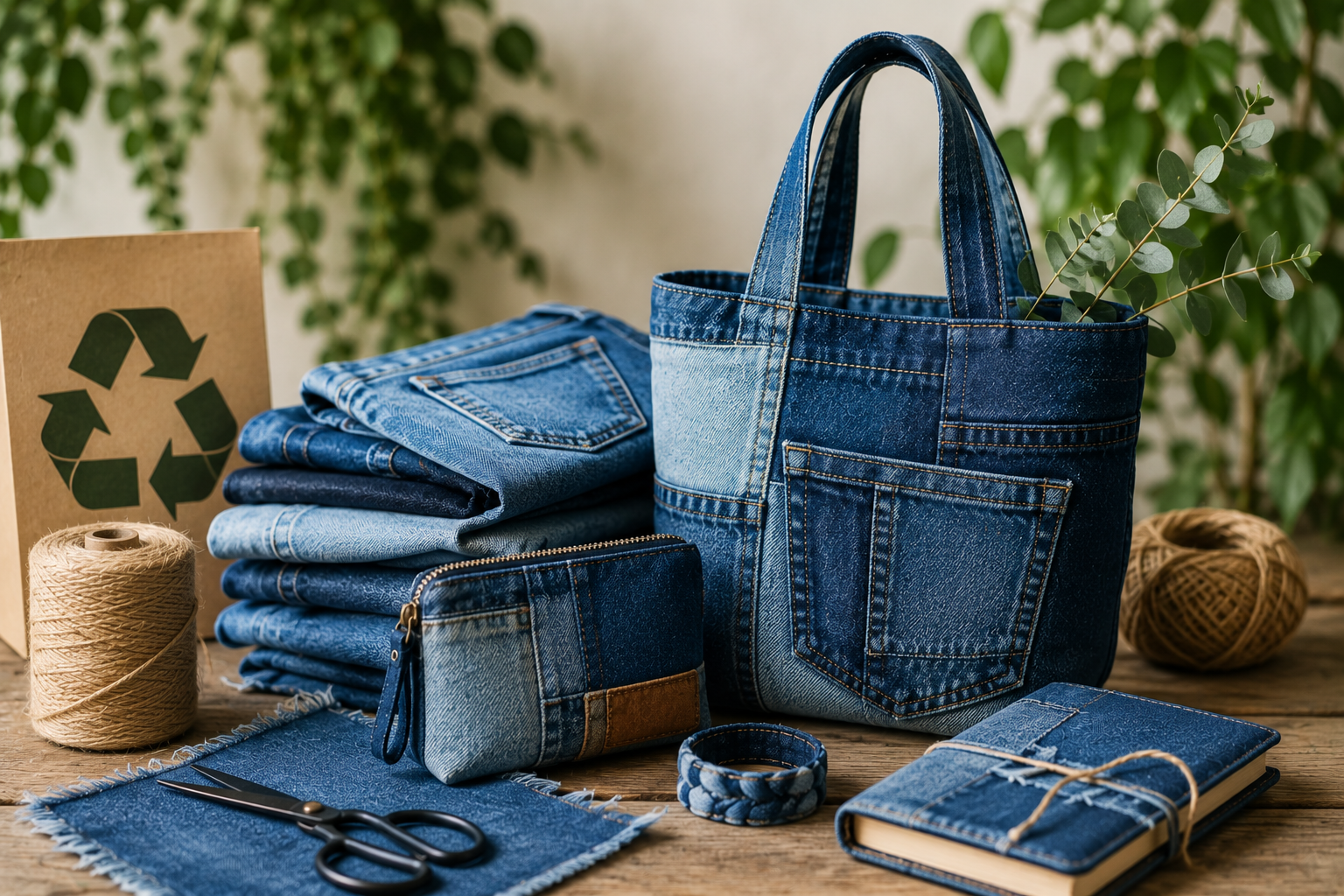
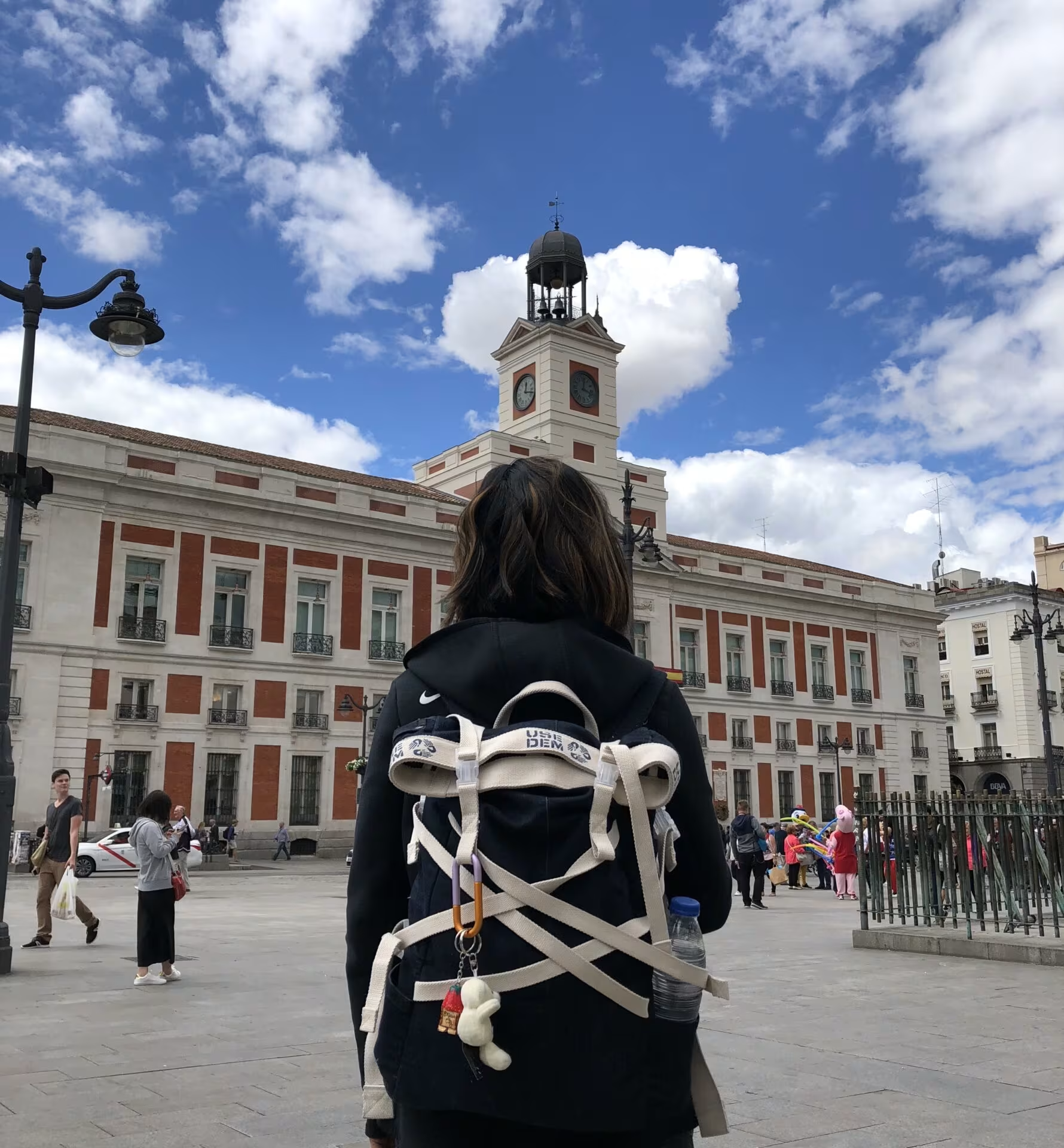
From Berlin to Barcelona, companies such as useDEM reshape old jeans into sturdy new items. These pieces work well while easing pressure on nature. Instead of trashing fabric, they remake it – quietly shifting how things get made. Their approach links practical needs with cleaner production. Across cities, worn denim finds fresh purpose through their process.
The Rising Issue of Extra Clothes in Europe
Fabric leftovers show up everywhere in Europe’s production line. From factories to stores, extra materials pile up step by step. At design centers, unused swatches collect on shelves. Shipping hubs hold leftover rolls that never reached buyers. Even retail spots stack unsold batches behind counters. Each phase adds more excess, quietly building waste.
- Leftover fabrics from production cycles
- Unsold seasonal inventory
- Sample materials and deadstock
- Returned or outdated products
Left sitting around, these materials pile up in storage until they’re thrown away. That results in wasted resources piling higher:
- Increased operational costs
- Inefficient inventory management
- Environmental pressure from waste accumulation
These days, extra fabric piles up fast for big companies. Handling it shifts how they meet green goals. Textile overflow shapes public image more than before.
Turning Trash Into Business Worth
Waste once piled up behind factory walls. Now leftover fabrics find new paths through smart reuse plans. Old scraps become fresh options without needing more raw resources. A shift quietly moves through production lines. Extra cloth gets another chance rather than vanishing into landfills.
Turning leftover cloth into useful items cuts down waste. Instead of making more fabric from scratch, old scraps get a second life. Materials that once sat idle now serve a purpose. No extra resources are pulled in. The process skips fresh production entirely. Old becomes new through reuse. Nothing is made just to be used once.
Through upcycling partnerships, businesses can:
- Turn surplus textiles into usable corporate products
- Reduce storage and disposal costs
- Create new product lines from existing materials
- Align with sustainability and ESG goals
Changing things this way helps nature while saving money at the same time.
Corporate Upcycling in Action
From Portugal to Poland, useDEM teams up with companies aiming to turn leftover fabrics into new resources. While some firms rethink waste, others reshape supply chains – each step guided by practical shifts rather than grand promises. In warehouses and workshops, unused cloth finds fresh purpose through quiet collaboration. Not every change is loud; most happen behind closed doors where routine meets reinvention. What begins as scraps often ends as structure.
From leftover scraps rise sturdy bags, belts made to last. Old bits find new purpose here. Not waste, but wallets shaped strong. Fabric once unused now holds keys, cash. Durable goods grow where clutter sat before:
- Denim backpacks
- Laptop sleeves
- Travel bags
- Crossbody and shopper bags
From pens to apparel, these goods work just as well in daily operations as they do on a balance sheet. One moment they’re handed out at meetings, the next they carry a logo into public view. Whether stored in office drawers or given to clients, their role shifts without losing purpose. Not simply tools, they also stand as quiet markers of identity. Their value hides in utility first, visibility second.
Starting fresh isn’t always necessary when old jeans can become something strong and useful again. Turning worn fabric into new items skips extra manufacturing without lowering standards.
Sustainable Corporate Merchandise from Surplus Materials
Surprise reuse of leftover fabric often shows up in company swag. Sometimes it’s shirts, sometimes mugs – depends on the batch. Stuff that once sat unused now carries logos through cities. Not every brand sees it, yet many quietly shift old stock into new hands. A quiet move, really, turning what was ignored into something seen daily.
Old company gifts usually mean brand-new things that do not last long. On the flip side, reused materials turn into stuff people actually keep around:
- Meaningful sustainability value
- Practical everyday use
- Strong brand storytelling
- Reduced environmental impact
From old jeans remade, companies craft workwear items showing care for impact without losing style or strength.
With this method, firms can skip the usual giveaways – instead handing out goods that actually mean something.
Creating Loops in Supply Chains
Old clothes finding new life helps push fashion into repeat cycles. Turning extra fabric into fresh pieces shifts how garments move through use and reuse.
Things move in circles now. Old stuff gets another life, not tossed aside. Through clever changes and repeated use, what was once waste stays useful. Looping back beats starting over every time.
Out of season rolls pile up at places like Prosperity Textile – these leftovers get passed along, giving companies a way to reuse cloth instead of pulling fresh materials from the ground. Fabric that might’ve sat idle now moves into new hands, stretching its life quietly, one bolt at a time.
This sets up a setup in which:
- Waste is reduced at the source
- Materials are continuously reused
- Production becomes more efficient
- Environmental impact is minimized
For corporate organizations, integrating circular practices strengthens long-term operational resilience.
European Businesses Shift to New Model
From Lisbon to Leipzig, city by city, companies slowly shift toward reworking leftover fabrics into new plans for greener operations. Not all at once, but step by step, old materials find fresh purpose where business meets environmental care.
Key drivers include:
- Increasing regulatory pressure on waste reduction
- Growing demand for sustainable business practices
- Need for efficient resource utilization
- Wishing to match worldwide ESG benchmarks
While people watch, businesses face pressure to show real effort. Turning leftover fabric into useful items becomes proof of intent – tangible, trackable, hard to ignore.
Innovation Through Reuse
Change stands out most when new ideas take shape. A fresh approach often marks the shift more than anything else.
Out here, using what’s already around means staying nimble, seeing fresh angles, because old methods won’t fit every time. Rather than sticking to fixed routines, some teams shift toward looser setups shaped by whatever they’ve got at hand.
Out of old jeans, Xenia Sidorenko builds things you can use, things that look good too. Though tossed aside, the fabric finds new life through her hands. What was once worn out now stands reshaped, useful again. Her process links past wear to present purpose. These pieces carry history while serving today.
This approach encourages:
- Unique product development
- Reduced dependence on new materials
- Faster design iteration
- More efficient production cycles
Finding clever ways matters more than having plenty. What counts is how you use what’s at hand.
Conclusion
Out of nowhere, old fabric reuse has shifted from odd idea to real option for companies continent-wide. Now it’s not just talk – firms are actually making use of leftover materials in daily operations.
Turning overlooked scraps into office supplies helps firms cut trash while saving money – this move also boosts their green reputation quietly. A second benefit appears when supply chains clean up: less clutter in landfills pairs with tighter budgets. Firms doing this often find suppliers who value resourcefulness more than volume. Hidden potential lives inside what most label as junk; smart repurposing turns that liability into an asset slowly.
Out of old jeans come new things, when companies such as usedem step in – not just making bags but keeping materials in motion. Waste fades back into use through their approach, where each product helps sustain a loop instead of ending up forgotten. Making stuff becomes quieter, less about taking more and more, more about using what already exists.
Waste turns useful – that shift hits companies right where it counts. Speed decides who stays ahead, not if they should act.