- April 24, 2026
From Waste to Value: The Business Case for Upcycling in Fashion
Years went by while fashion stuck to one rule – make stuff quickly, push it out, then forget. Yet underneath runs a spreading issue: leftover stock, idle fabrics, unsold goods choking every part of production lines. Something long seen as just normal expense now shows up like danger ahead.
Out here, things move quietly now. Not trash anymore, but something sleeping inside what gets tossed. Smarter groups begin noticing – through sideways glances – a worth that was always there. Hidden, sure – but real.
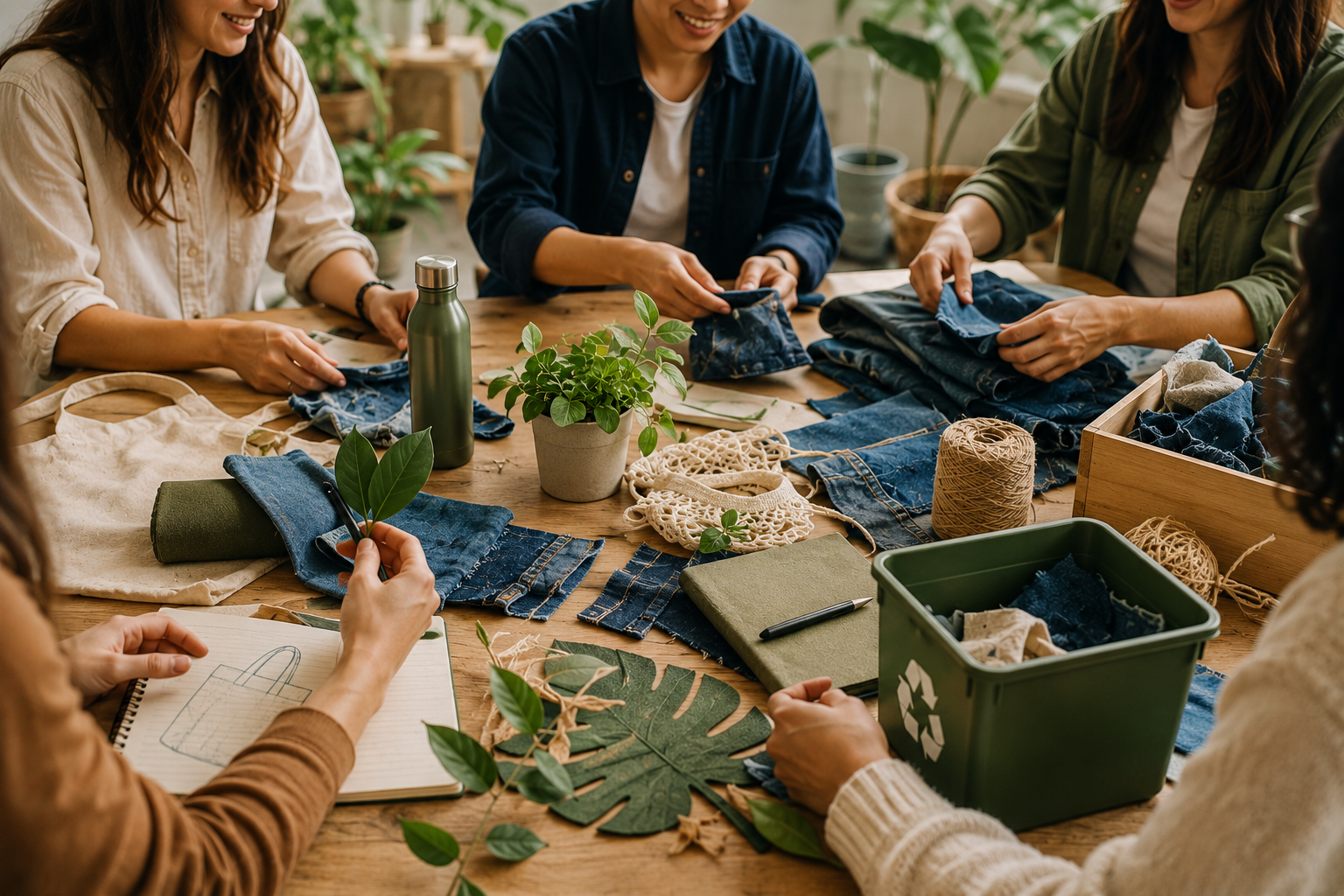
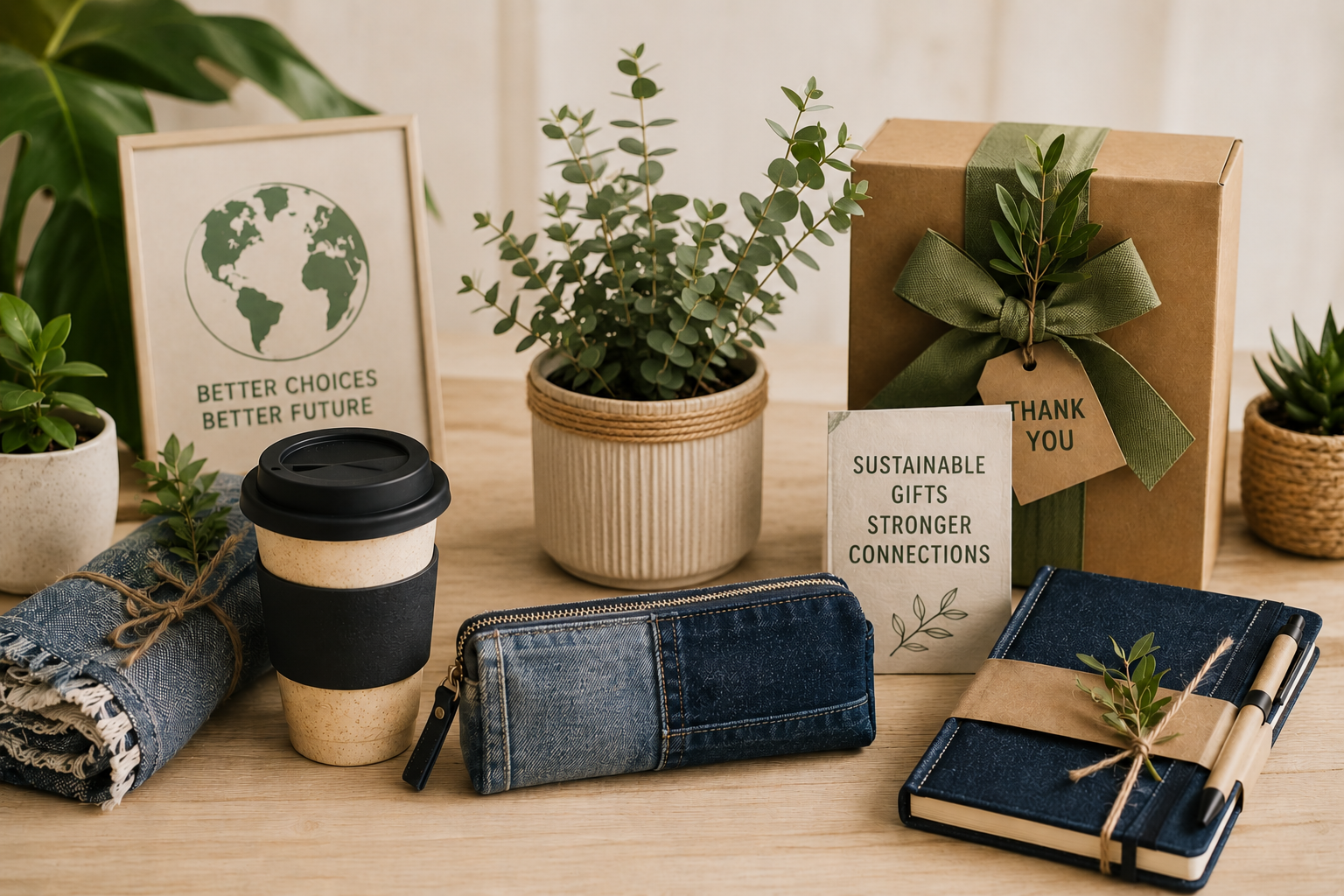
From old jeans come new purpose – bags, sleeves for laptops, everyday items built strong. Companies such as useDEM show waste isn’t dead weight; it’s raw potential reimagined. Sustainability here? Yes. But more than that: clever thinking shapes profit from what was tossed aside.
The Hidden Price of Fashion Waste
Waste shows up everywhere in worldwide supply networks, taking on many shapes
- Deadstock fabrics that never reach production
- Unsold inventory from past seasons
- Sample materials and surplus stock
- Items sent back or found broken
Most of the time, these items get thrown out, kept sitting around, or tossed aside – piling up expenses, slowing things down, yet still leaving a mark on nature.
Big companies feel this pressure right away. Margins take a hit, stocking goods gets harder, meanwhile hitting green targets grows tougher too.
Turning Costs Into Income Through Upcycling
Turning old things into something fresh takes another path here. Rather than breaking items down to basics, this method keeps their worth while shaping them into useful new goods.
Here’s when the reasoning behind the move starts making sense.
Working alongside firms that turn waste into new products lets companies…
- Turn leftover stuff into things people will buy
- Reduce waste disposal and storage costs
- Extend the lifecycle of existing resources
- Create new product categories without new raw materials
Out of extra jeans and leftover cloth, new goods take shape. Instead of sitting unused, material finds purpose again. With businesses on board, useDEM turns what gets discarded into sought-after items. Waste shifts form – now it holds worth where before there was little. A second life begins quietly, without fanfare.
A Smarter Supply Chain Approach
Running things sustainably isn’t a side task anymore – now it shapes how supply chains are built. Instead, long-term thinking weaves into daily logistics decisions. What used to be optional now fits naturally within planning steps. Over time, green practices shifted from add-ons to core moves. Today’s networks grow stronger when environmental care leads the way.
Out here, firms such as Prosperity Textile quietly help push change – offering unused or past-season fabrics so they’re remade rather than tossed. Instead of vanishing into landfills, these scraps find new purpose through reuse.
This method builds a system that runs smoother: each part fits without extra steps, yet works faster overall
- Longer life cycles keep materials active across uses
- Waste is reduced at the source
- Production becomes more resource-efficient
- Environmental impact decreases without compromising output
Instead of chasing fresh output, companies start tuning their existing resources. A shift unfolds – not toward more, but better use of what’s on hand.
Brand Worth and Where It Stands
Folks who buy things now care more about where they come from. Making less waste isn’t just nice anymore – it’s what people demand.
Upcycling helps brands:
- Strengthen their sustainability credentials
- Differentiate in a crowded market
- Align with ESG (Environmental, Social, Governance) goals
- Build stronger narratives around responsibility and innovation
Every piece born from upcycled materials holds its own tale. Though once overlooked, these objects now stand changed – mirroring shifts felt across buyers and businesses alike.
Innovation Without More Resources
What makes upcycling stand out? It sparks new ideas while using what already exists. Instead of pulling more from the earth, it reshapes the old into something fresh. Creativity flows without needing fresh supplies. This process builds solutions on top of discarded items. Ideas emerge simply by reimagining what’s been tossed aside.
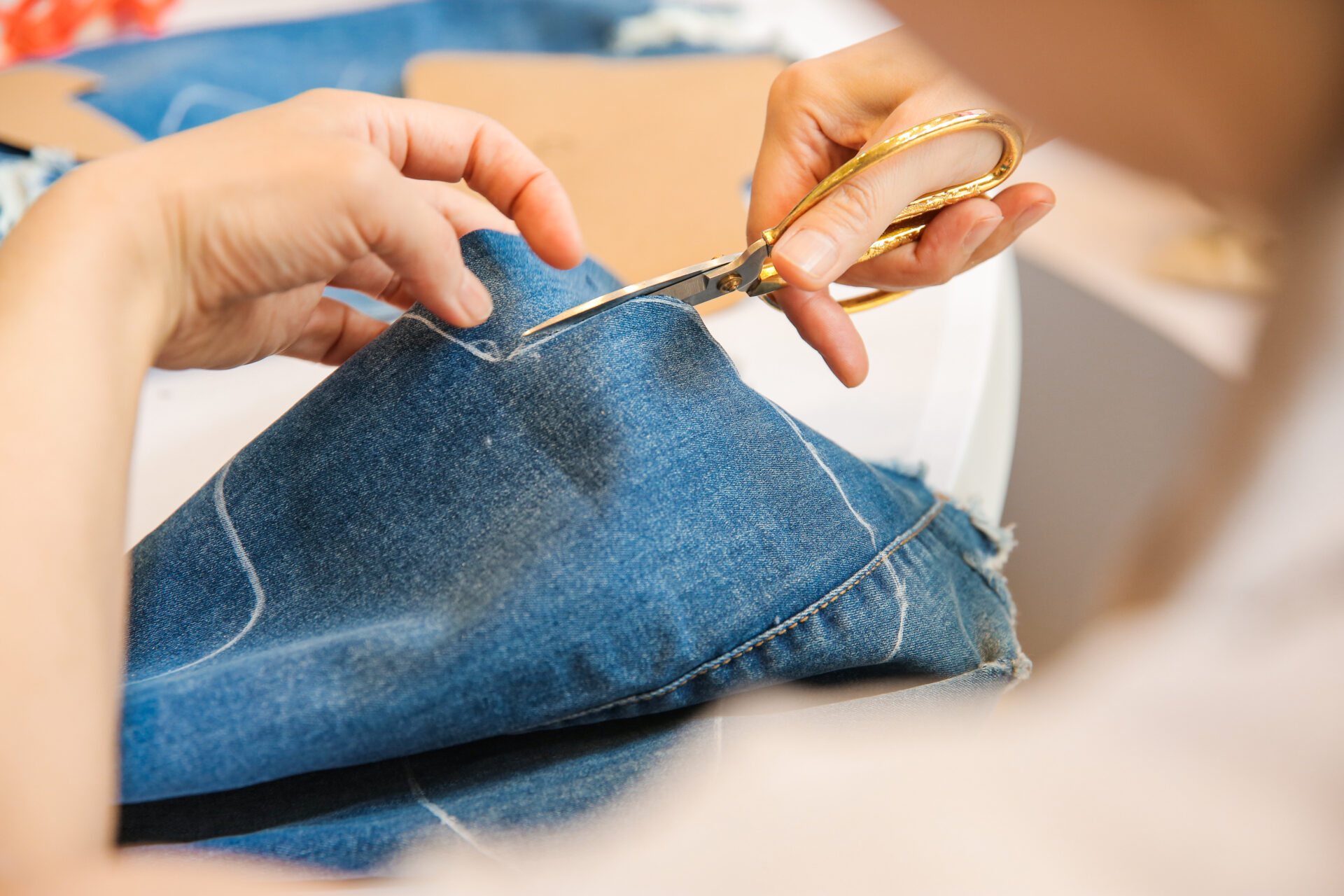
Out of old jeans rises something new, shaped by Xenia Sidorenko hands. Where most notice only waste, her approach reveals hidden potential through fresh thinking.
This leads to:
- New design approaches
- Flexible production methods
- Unique, limited-edition products
- Faster experimentation cycles
One way to grow isn’t just doing more – it’s thinking differently. Growth hides in clever choices, not just bigger numbers. Smarter moves beat endless repetition every time. Efficiency opens doors that size cannot unlock.
Working Together Fuels Progress
Together, things start shifting. One business rarely has every part – material flows need clever links, designs spark better when shared, making stuff demands teamwork, getting it out the door leans on joint effort.
This opens doors to possibilities like
- Partnerships between manufacturers and designers
- Integration of upcycling into existing supply chains
- Cross-industry collaboration
- Shared sustainability initiatives
Some brands using this approach do more than cut waste. They create living networks where lasting progress takes root slowly but surely.
More Than Sustainability A Competitive Edge
Most people talk about sustainability like it’s just a duty. Still, businesses are finding it gives them an edge.
Companies that act early can:
- Reduce operational costs
- Start fresh paths to earn money
- Strengthen brand positioning
- Meet growing regulatory and consumer expectations
Later moves could mean facing higher prices, tighter rules, one moment consumer interest turns away.
Conclusion
Right now, the clothing world stands on shifting ground. Trash piles up, sure – but that mess isn’t only hurting nature; it’s reshaping how companies operate while quietly opening doors.
Starting fresh, businesses shift away from straight-line production when they choose reuse. Instead of tossing materials, they find new roles for them again and again. This cycle keeps resources active, turning old outputs into fresh inputs. Waste fades as parts get renewed life through smart redesigns. Efficiency grows because nothing exits the loop too soon.
Out here, companies such as useDEM prove change isn’t coming – it’s arrived. Old jeans finding new life as useful items? That shift goes past making things; it reshapes how worth gets defined.
Out here, where doing more with less matters most, companies aren’t asking if they should reuse waste – they’re figuring out how fast they can make it happen.