
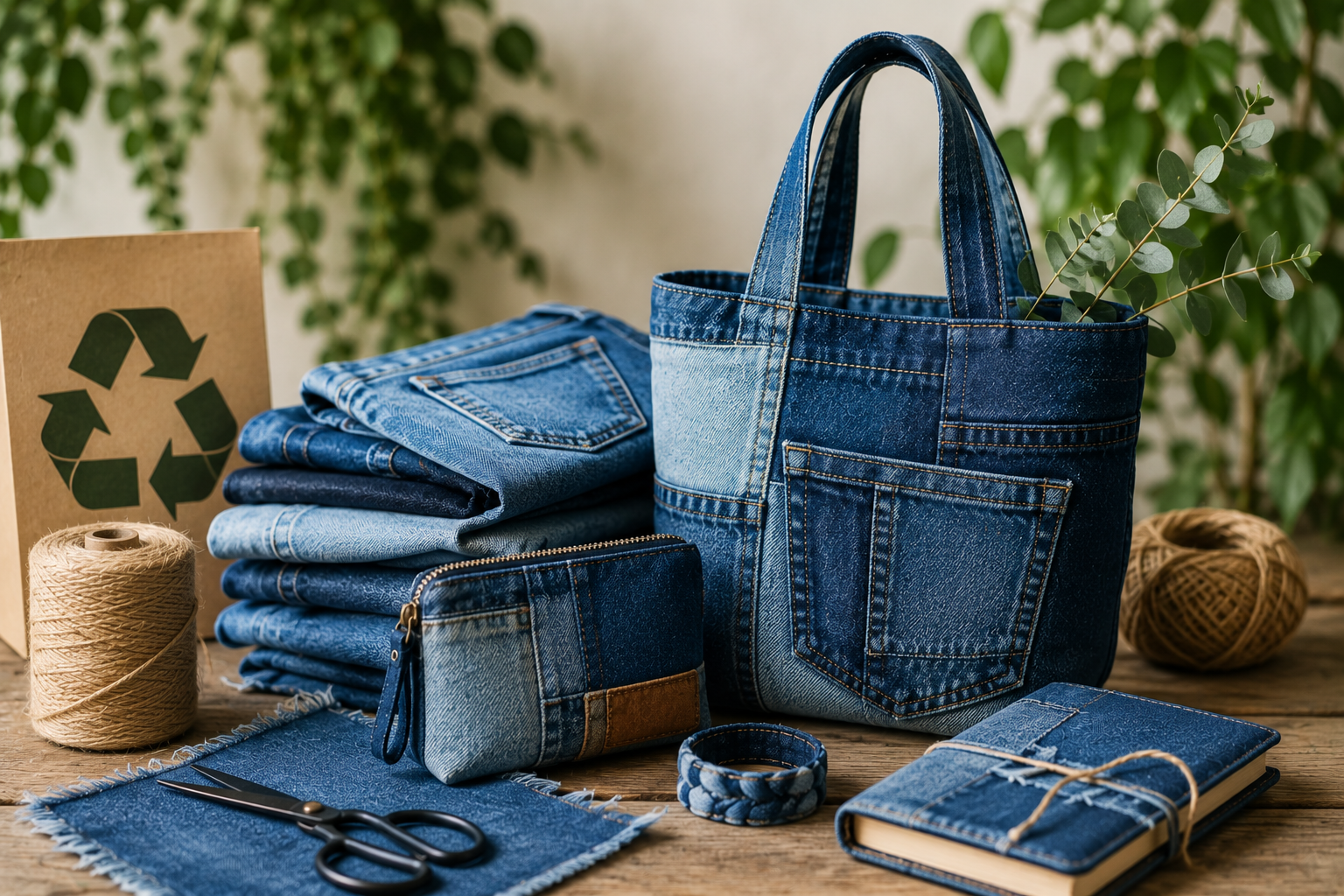
Change sweeps through fashion now. With eyes opening to how clothes harm nature, folks seek greener choices – those options rise steadily. Out of fresh ideas taking shape, old jeans reborn into new wearables shine clear, different somehow. Creativity flows here, trash fades away, making things mindfully links hands across lives and earth alike.
Out here, old jeans get new life – popularity rising fast. Not just another passing phase but something deeper taking hold. Reuse beats tossing aside, turning waste into worth again. Experts point to this move as fashion’s next step forward. What once was thrown away now shapes tomorrow’s wardrobe.
Water runs high in old-school jeans making. Heavy fabric popularity comes at a cost. Production leans hard on natural supplies. Big volumes get used just to weave the cloth. Dyeing takes more than expected. Each step adds up quietly.
Year after year, old jeans get thrown out by the million – even when good fabric remains inside. Piles of these clothes wind up buried underground, adding to dirty emissions and wasted supplies.
Facing growing worries over environmental impact, people who buy products plus companies making them look at options – ways to cut down trash without losing high standards or good looks.
Old jeans get a second life when turned into fresh clothing pieces. Worn-out denim finds purpose again through creative reuse. Leftover fabric rolls take shape as something entirely different. Discarded jackets or pants become part of modern designs. Pieces once thrown away now reappear in wardrobes anew.
Old clothes become fresh designs when makers choose to rethink leftovers. From curtains to jeans, bits get reshaped without making anything new. Pieces once ignored now form bags, jackets, shirts – built from what was already around. No need to spin fibers from scratch if imagination can twist yesterday’s cloth into tomorrow’s look.
Starting fresh doesn’t mean tearing apart what already exists – upcycling skips that step entirely. Instead of shredding old cloth into pulp, it finds new form without losing its past shape. The material keeps its strength, even when worn or faded at the edges. Life stretches further when change means adaptation instead of destruction.
Turning old jeans into new products gives trash a second life. What once got thrown away now becomes valuable again.
This way cuts down on trash in dumps, yet builds better habits around buying clothes.
Turning trash into treasure isn’t just clever – it shows some companies actually see junk as gold. What looks like garbage to most becomes raw material in the hands of others. Waste stacks up everywhere, yet certain brands reshape it into something useful. Instead of piling up pollution, they rebuild what’s been tossed aside. Old scraps find new purpose when creativity meets responsibility.
What pulls people toward upcycled jeans? Uniqueness plays a big role. Each piece carries something different, something yours.
One reason every item stands apart? It’s built using what already exists. Not quite matching shades here, a shift in surface feel there – small shifts that give shape to individuality. Stitching might wander slightly off pattern, fabrics land in new spots each time. These little differences add up into something distinct. Each one ends different than the last.
What sets upcycled denim apart is how different each piece feels compared to factory-made clothes. Most store-bought styles seem copied from the same blueprint. These handmade versions carry a distinct touch. Uniformity fades when creativity takes over. One-of-a-kind details replace endless repetition.
Products now matter more when they seem real, carefully created, one detail at a time. People notice the difference.
One step toward greener clothing begins by ditching the old habit of using stuff, turning it into products, then tossing them. Instead of repeating that cycle, a shift is quietly taking hold – driven by choices that last longer than a single season.
Clothes stay useful much longer when styles come around again. Old stuff finds new life before ending up discarded.
Now more than ever, attention turns to sustainability – governments feel the push, companies adjust paths, while everyday choices by people add up slowly. What matters grows clearer with time.
One person’s choices aren’t the only force now. Firms have started shifting too, swapping old habits for methods that cut down trash while caring more for nature.
From reusable bags to bamboo pens, each piece shows a company cares – without saying a word. A coffee mug sits on a desk long after the meeting ends, quietly reminding everyone where it came from.
Some eco-friendly labels now collaborate in fresh ways to give old jeans new life. Instead of going to waste, discarded denim finds purpose through inventive partnerships. These joint efforts stretch further than single-brand projects ever could. By linking different talents, the results reach more people. Old fabric gets remade thanks to shared ideas and bold thinking.
Working together, designers team up with makers, stores, and groups to turn leftover materials into fresh designs and new lines.
Together, brands find stronger footing in growing eco-minded fixes. When they team up, progress spreads faster than going solo ever could.
These days, people think twice about buying stuff. Before they spend money, they want answers. Questions pop up in their minds first. Buying something now means weighing options carefully. What goes into a choice matters more than before.
Old jeans get new life through upcycling – tough stuff made thoughtfully, using less while lasting longer. What once wore out now works harder.
More people now choose well-made clothes instead of buying lots of cheap ones, so redesigned garments feel like a fresh take on typical trends. What sticks out is how slowly these pieces fade compared to mass-produced styles.
From old jeans and leftover fabric, useDEM crafts items by hand. These pieces mix smart design with care for the planet. Each one begins where waste ends. Made slowly, thoughtfully, without excess. The result stands on its own – simple, useful, aware.
Old things get new jobs at useDEM, cutting down on fabric trash through useful goods made to matter. Not just bags or extras but office gear and special runs too – proof that fresh thinking shapes real shifts in how we treat resources. What begins as leftover cloth ends as something people rely on every day.
What stands out is how their method proves freshness in style can exist without endless new fabrics. Innovation sticks around even when material output slows down. Desire stays strong, though less stuff gets made. Freshness comes not from volume but from thinking differently. The work points to a different rhythm – one where creativity matters more than quantity ever did.
Waste piles up, emissions climb – meanwhile, denim gets reborn. Instead of tossing old jeans, they’re reshaped into something new. This shift tackles mess, cuts fumes, plus rethinks how clothes come to be. Old fabric finds fresh purpose without needing fresh resources. Pressure builds on fashion to clean its act. Here’s one way it answers.
Now people notice. Old jeans once tossed aside now spark ideas. Shoppers and companies alike begin to understand what reused stuff can become. Not trash anymore, but a chance to make something new. Seeing fabric differently changes how things get made.
Bold thinking pushes fashion into new shapes. A fresh outlook pulls old ideas forward in surprising ways. Change grows quietly through choices people make every day. The path ahead twists where least expected.
One reason people point to recycled jeans? It’s not just about helping nature. Turning old denim into something new cuts down on trash piling up, uses less water and energy, sparks fresh design thinking – yet also fits neatly into ways we’re learning to reuse instead of toss. A shift like this answers pressures our planet now faces.
Starting with stitched details, then moving into small runs of clothing, recycled jeans show up in places you might not expect. One moment they’re part of a work uniform, the next they appear in bold joint projects between designers. Step by step, old fabric finds new purpose – quietly shifting how things get made. Not shouting, just staying around longer than anyone thought possible.
What comes next in clothing might skip new stuff altogether. Instead, it could grow from using what we’ve already got. Better choices with existing pieces might shape tomorrow’s trends.
