- April 16, 2026
How useDEM is Transforming Sustainable Fashion Through Upcycling Denim
Right now, people pay more attention to the planet’s struggles. The clothing business sits where change must happen fast. Cheap, quick clothes have filled landfills, spilled toxins, left messes behind. Still, companies such as useDEM see leftover materials not as trash but as raw potential. Guided by one clear idea – “The Earth is Our Boss” – they push a shift worldwide. This path mixes fresh design with care for resources, shaping how we buy, wear, live.
The Rise of Sustainable Fashion and Upcycling
One reason clothes matter now? They pile up by the million tons yearly. Because of that, fresh thinking must step in where old habits fail. What happens when worn fabrics get a second life? A shift begins – old cloth becomes something better than before. This change isn’t optional anymore; it simply makes sense.
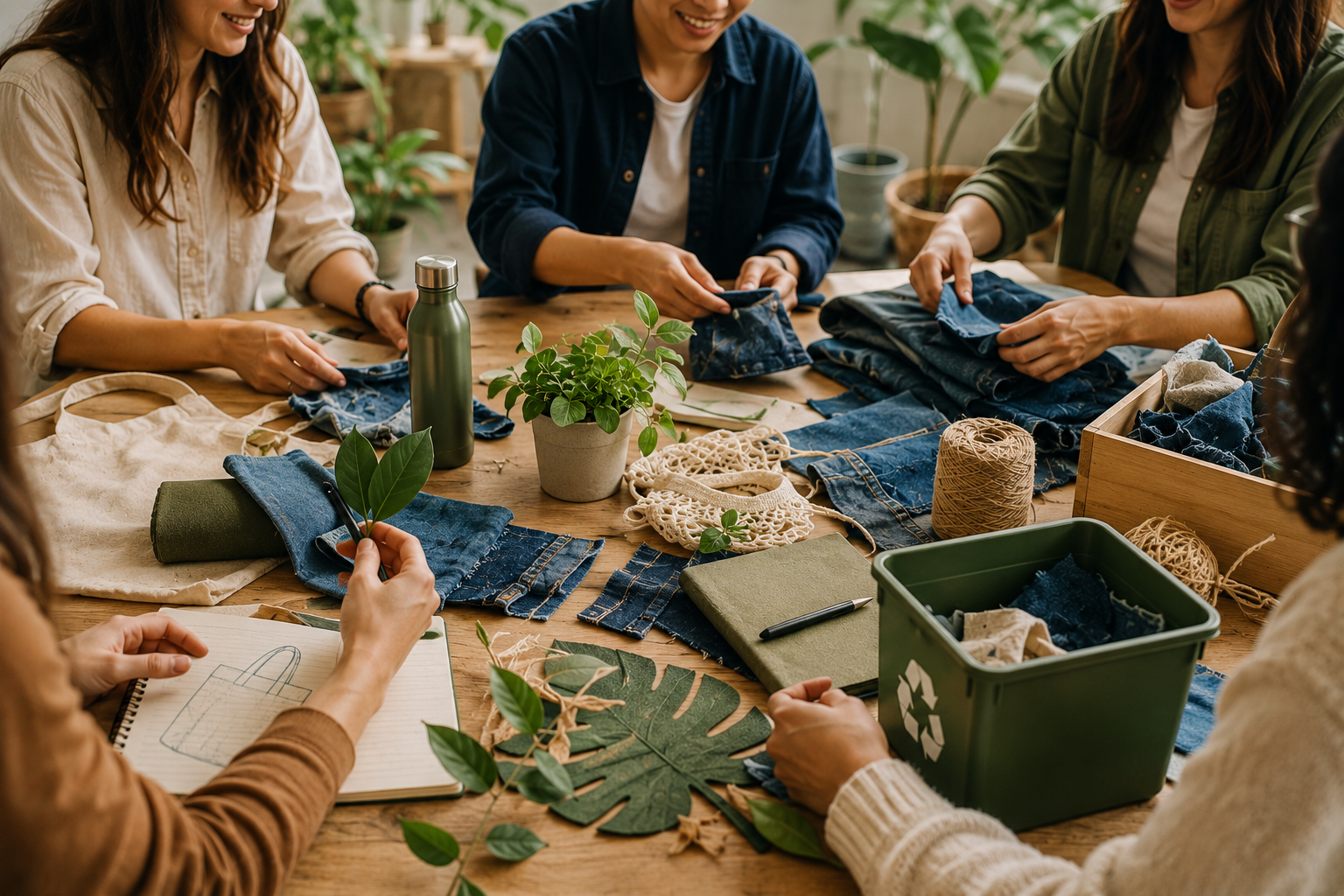
Old jeans find new purpose here. Rather than rotting in dumps, discarded fabric becomes something fresh. Turning waste into wearables cuts down damage to nature. Each piece carries a different look, far from factory repetition.
The Story Behind useDEM
Back in 2015, Xenia Sidorenko started useDEM after growing tired of how much trash the clothing world creates. Her work in product design had shown her what happens when huge amounts of fabric get thrown away. Because she’d been inside factories making clothes at scale, the damage didn’t stay abstract – it became personal. Seeing rolls of unused material pile up sparked something different. That moment led straight to forming a brand built around change.
Out of nowhere, she faced a pile of jeans needing disposal. Instead of trashing them, reuse became her path. This shift lit a spark – the thought forming useDEM: “use them.” Slowly, that notion grew, shaping a name rooted in lasting change through smart design.
Out of her Shanghai flat, Xenia started playing with old jeans, slicing fabric apart and reshaping it into useful items. That path brought about the brand’s debut piece – the Buddy Bag – kicking off a shift where scraps turned into purposeful clothing.
A Mission Driven by Purpose
At its core, usedEM follows three main ideas: making things happen, linking people together, one step at a time. Protection matters just as much, woven into each move. These aren’t rules written in stone – more like steady rhythms that shape how everything unfolds.
Create: Turning discarded materials into new, valuable products
Connect: Inspiring individuals and businesses to join the sustainability movement
Protect: Reducing environmental impact and promoting responsible practices
From start to finish, the brand lives by these rules – no exceptions. A single item on display shows change in motion, where care for the planet meets bold design choices.
Consumers and Businesses Working Together
What makes useDEM stand out is how it handles sustainability in two ways at once – serving individual customers alongside businesses. Its method weaves personal outreach together with corporate partnerships, building balance across different user types. Instead of focusing on just one path, it moves between them, adjusting without losing direction.
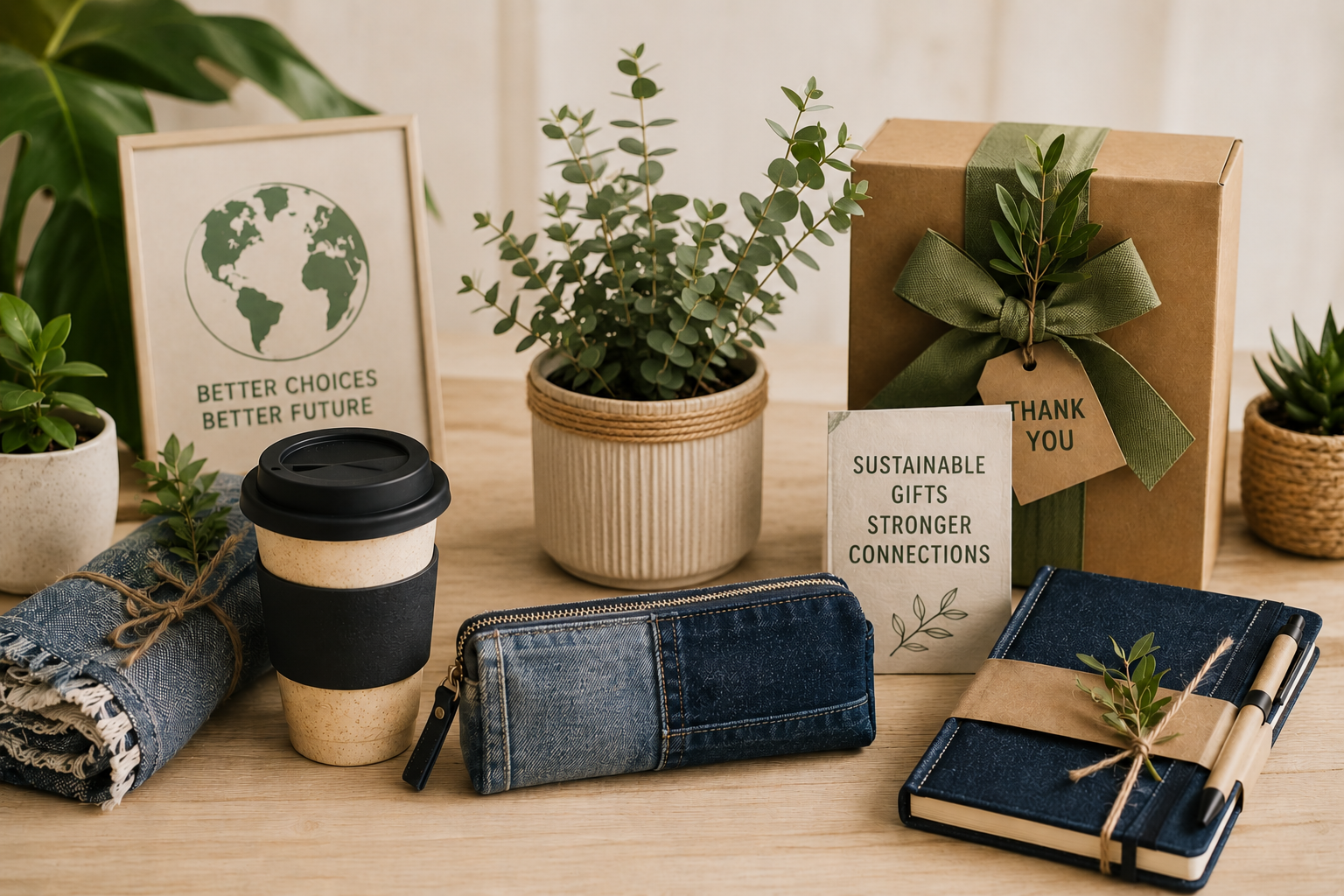
One way people help the planet? Turn worn-out jeans into fresh styles through useDEM. Each piece gets new life, shaped by its owner. Waste drops when clothing stays in use longer. Thoughtful choices grow naturally this way. Meaning shows up in small acts – like reimagining what old fabric can become.
Working together with progressive firms, useDEM brings upcycling into daily workflows. Turning leftover materials, excess stock, or last season’s items into fresh offerings helps cut down on trash – also boosting a company’s green profile at the same time. Customers now expect smarter choices, so doing things this way just makes sense.
A Commitment To Inclusion And Social Impact
One step past eco-friendly choices, useDEM turns attention toward people. Instead of stopping at green practices, it reaches out through partnerships – like the one with HomeSweetHome – to open doors. Training programs emerge. Jobs follow. People who face extra challenges find space to grow. Work becomes possible where it once felt out of reach.
This way of doing things shows what useDEM really stands for – caring for the environment means caring for humans, not just nature. When chances open up and differences are welcomed, the effect spreads further than clothing ever could.
Strategic Partnerships Drive Change
Working together helps grow eco-friendly answers faster. With groups such as Prosperity Textile – famous for forward-thinking jeans made responsibly – useDEM joins forces to push progress further.
More than twenty tons of fabric trash have avoided dumpsites since 2017, thanks to this team-up. Leftover rolls plus past-season swatches now become something useful instead of piling up somewhere. What once sat unused gets new life through useDEM’s work.
Out of nowhere, this partnership shows how things are changing – one company going green isn’t enough anymore. When brands, factories, and shoppers move together, real change starts to take hold.
Redefining Fashion for the Future
What if trash could become treasure? That idea drives useDEM, pushing against old views on clothing. Instead of seeing discards as useless, they show how broken bits gain new life. Beauty emerges where others see junk. This shift changes minds slowly, quietly. Old habits around buying stuff start to loosen. Not because anyone says so – but because the work speaks. Seeing it makes belief easier. A different path appears, one step at a time.
Materials get another chance when clothes aren’t tossed after one season. Instead of ending up buried, they’re reimagined into something different – maybe even better. Damage to nature drops when fewer raw resources are pulled from the ground. Fresh ideas tend to grow in places that value renewal over constant buying. Creativity often shows up where waste is seen as wasted potential.
Why Sustainable Fashion Still Counts
Nowadays people pay closer attention to what they buy, pushing companies such as useDEM ahead of the curve. Because of this shift, lasting impact on the planet weighs heavily when someone decides to purchase something.
Start with what you wear. Wearing reused materials backs craftsmanship built on care instead of waste. Style shows up when Earth gets respect, not just attention.
Conclusion
What happens when trash becomes treasure? That thought drives useDEM forward. Turning discarded materials into fresh resources shifts the whole game. People gain new tools to build better lives because systems start working differently. Companies grow stronger without draining the planet further. Connection between makers, users, communities – that glue holds everything up. Progress shows not in slogans but in real outcomes. A different kind of future takes shape quietly, day by day.
Old jeans might seem small, yet they hold power when choices count. useDEM shows how quiet things sometimes shift everything.