- May 19, 2026
Most Ethical Clothing Brands NZ: Sustainable Fashion Choices for Conscious Consumers
Nowhere else feels quite like a wardrobe shift when choices start matching beliefs. A quiet move grows where clothes must meet care, built well without costing the earth. Trust shapes what stands on shelves down under, piece by piece. Some labels rise because doing right matters just as much as how it looks.
Style isn’t the only thing that matters anymore. Behind every piece, fair treatment of workers plays a key role. Materials matter too—those kinder to the planet often lead the way. How something is made can speak louder than how it looks. Some companies now build their choices around these ideas. Slowly, clothing becomes a sign of care, not just design.
What Makes a Clothing Brand Ethical?
From start to finish, a thoughtful apparel company weighs its effect on people and planet. Materials matter—so does the journey they take before becoming garments. Worker well-being sits alongside eco-conscious choices in every step forward.
Common Ethical Practices Include:
- Using organic or recycled materials
- Reducing textile waste
- Supporting fair wages and safe working conditions
- Minimizing water and energy use
- Creating durable, timeless designs
Slowing down buying habits cuts harm from quick-turn clothing. Choosing well-made pieces means fewer trips to stores. Some rethink styles before tossing old ones. Others repair instead of replacing. Each small choice adds up differently over time.
How Ethical Fashion Affects New Zealand
Folks down in New Zealand? They’re starting to see what it really takes to make cheap clothes. Instead of buying more, a growing number reach for pieces built to last—drawn to labels that show exactly how things are made. Behind every pick is a quiet shift: care matters more than ever.
Choosing the Most Ethical Clothing Brands NZ Offers Several Benefits:
- Lower environmental impact
- Reduced textile waste
- Better labor practices
- Longer-lasting garments
- Support for circular fashion
More people now choose items they think help protect Earth. A quiet change is shaping how things get bought.
Recycled and Upcycled Materials in Ethical Fashion
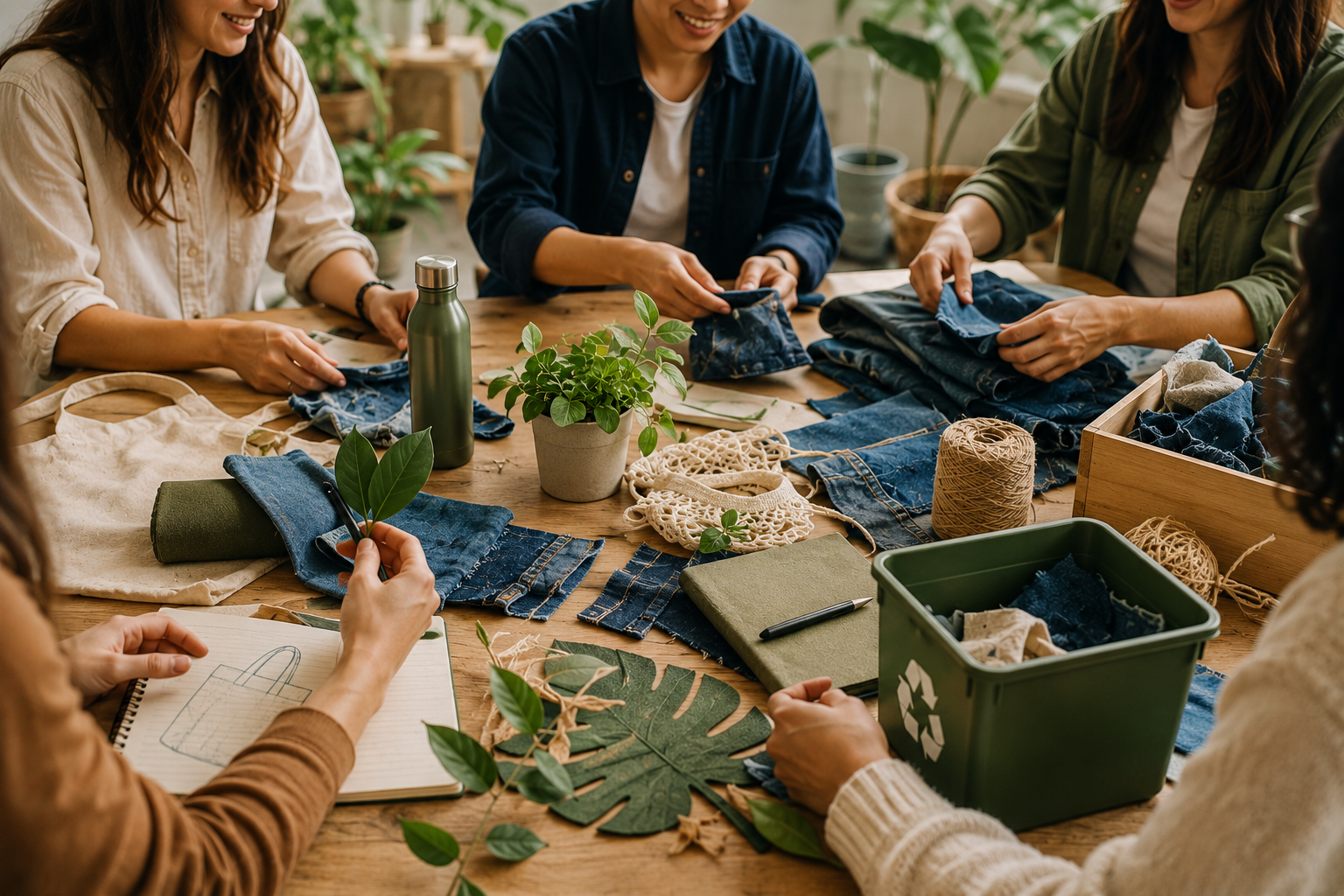
Turning old clothes into something new shapes a smarter way to make fashion. Rather than creating fresh material, companies reshape leftover fabrics into different styles.
From old jeans to leftover cloth rolls, scraps find new life. Unsold clothes pile up but here they get remade differently. Discarded textiles shift form through cutting, sorting, reworking. Waste stacks shrink when material gets pulled apart then rebuilt. Fabric once ignored now moves into different shapes again.
- Jackets
- Bags
- Accessories
- Limited-edition collections
Old stuff gets reused here, so fewer new raw materials are needed because of that shift. Instead of grabbing fresh supplies, the system leans on what’s already available—cutting down extraction pressure in quiet but steady ways.
Inside here, it just makes sense to point toward those upcycled picks—like jeans turned into bags, crafted by hand. Pages on eco-minded clothing fit right in too.
Signs of Ethical Clothing Brands in New Zealand
When searching for ethical fashion brands, consider the following factors.
Sustainable Materials
Start by checking if the fabric was made again from old materials. A good choice might be cotton grown without chemicals. Sometimes plants help make cloth that hurts nature less.
Transparent Production
Openness around where materials come from builds trust. How products are made matters just as much. Truth in process shows respect. Clear details replace guesswork. Honesty becomes part of the product itself.
Ethical Labor
Good businesses look after their workers by offering fairness and safety on the job.
Durable Design
Well-built garments stick around through seasons, so fewer end up tossed. Durable stitching means less trash piling up later.
Circular Practices
Fixing things, giving them new life, or breaking them down for parts points to caring about the future. A choice like that speaks without words. It isn’t loud, yet it carries weight. Each step taken quietly builds something longer lasting than waste.
Ethical Fashion for Business and Workplace Presents
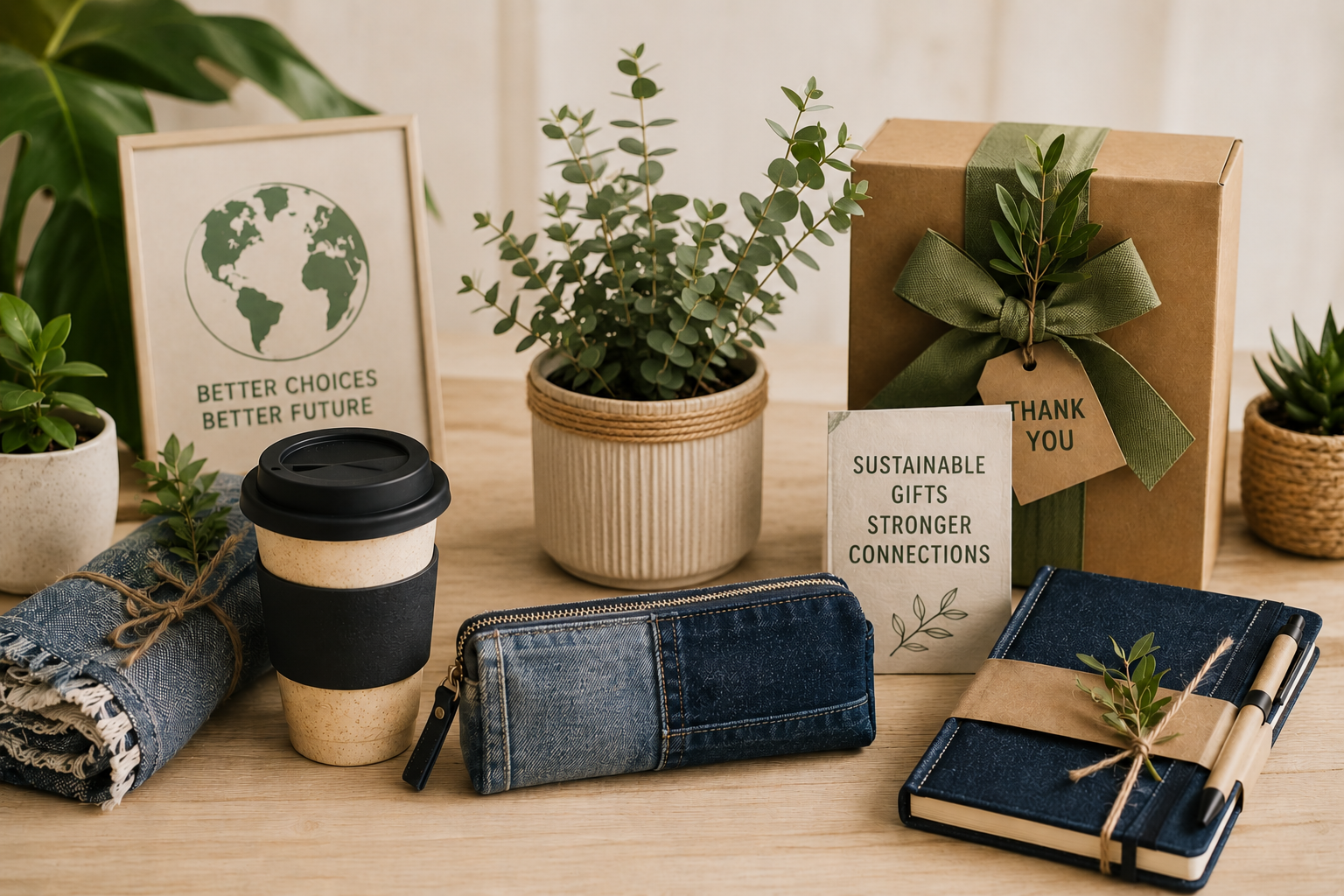
Out here, green thinking goes beyond what people wear every day. Some companies now weave responsible style into how they present themselves—using tailored items or planet-kind giveaways to show who they are.
These Can Include:
- Branded tote bags
- Recycled denim accessories
- Employee appreciation items
- Promotional products
When firms pick fair-trade goods, they tie what they believe in to things people actually use every day.
Collaborations for Greener Ideas
Out of leftover fabric, new ideas begin. Working together, makers find fresh paths forward—artists link up with factories, small labels join forces with shops. Old scraps become something people want to own. Each project quietly teaches a lesson: making things can respect both earth and effort.
Collaborations speeds up progress in fashion, pushing more players toward eco-friendly choices. When brands join forces, old habits shift faster than expected.
People Pick Ethical Clothing Brands for Personal Reasons
What pulls folks toward ethical fashion isn’t only how it looks. Knowing clothes were made without harming workers or nature builds a quiet kind of trust. Quiet moments like that matter.
Benefits Include:
- Unique, thoughtful designs
- Higher-quality craftsmanship
- Reduced environmental impact
- Fair and responsible production
- Meaningful brand stories
Bought something? That counts as backing better outcomes.
useDEM Ethical Fashion Alignment
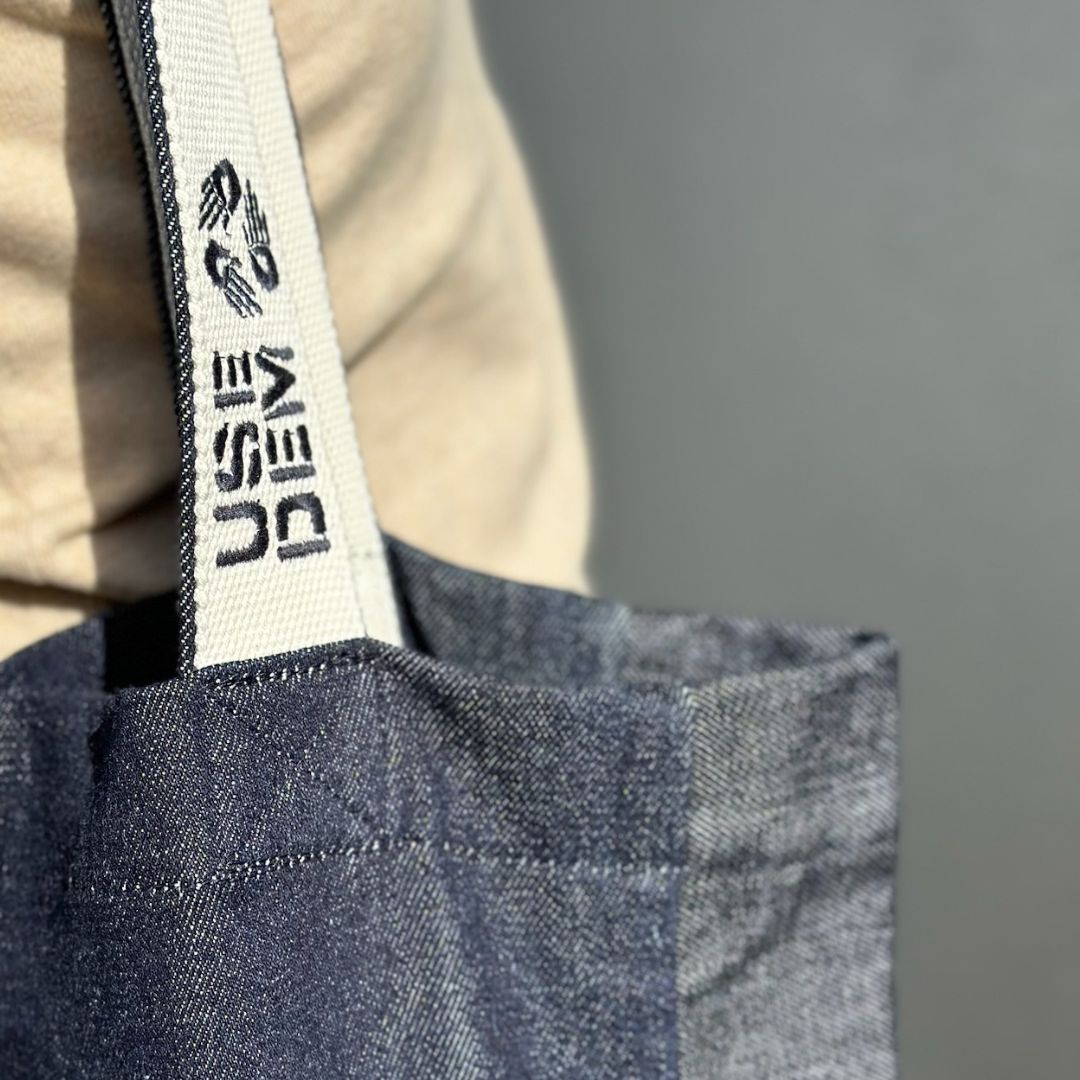
From old jeans and leftover fabric, useDEM crafts handmade goods that mean something. Turning trash into treasure happens through thoughtful reuse, fair-making practices, one piece at a time. Waste finds new life when creativity meets care in every stitch. The result? Items built with intention, not just material.
What stands out about useDEM isn’t just product range—it’s how each piece connects to larger values people care about. Whether it’s a small accessory or custom corporate product, thought shows up in the details. Choices matter more now, and what you find here lines up with that shift. Custom work blends into bigger efforts without losing individuality. Ethical fashion means different things to different people—this brand meets those meanings where they live.
Conclusion
Nowhere is the push for better choices clearer than in New Zealand’s clothing scene. Style doesn’t have to cost the earth—some labels show it every day. Behind each piece, there’s care for workers, attention to materials, honesty about making things. These makers move differently—no shortcuts, just slow progress. Fashion shifts when values shape design, not trends alone.
From refreshing your closet to choosing thoughtful work presents, then again backing companies that rethink waste—ethical fashion quietly shapes what comes next. A different way forward hides in these choices, even when they seem small.
Buying with care builds a future that lasts longer. A single choice can ripple outward through time.