
- May 27, 2026
Environmentally Friendly Clothing NZ: A Smarter Direction for Sustainable Fashion
Out here, clothes aren’t just about looks anymore. What we wear now carries weight—on forests, oceans, even air. Some folks pause before purchasing, asking where things come from. Because choices add up: a shirt today might last years, or sit forever in a landfill. Purpose matters more than price tags these days. Garments built to endure find favor among those paying attention. Slowly but surely, habits reshape what shows up in wardrobes across Aotearoa.
Looking good now means something deeper. Values show up in what we wear, along with a mindset built to last. In New Zealand, change quietly moves through how clothes are made—fairness matters, waste gets reused, designs come full circle. More people choose pieces that respect both hands that make them and the earth they come from.
From old clothes to fresh style, labels such as usedem guide change by reshaping thrown-away fabrics into unique wearables. These handmade pieces cut down trash, yet carry past lives forward through craft. Each item breathes again, stitched differently now—less discard, more care.
What Makes Clothes Better for the Planet?
What you wear can take a gentler path through creation. Rather than drain fresh materials and push endless output, some makers choose care over speed. These labels build clothes with attention, not just assembly lines. Responsibility shapes their choices, from start to finish.
This Often Includes:
- Recycled or upcycled materials
- Reduced textile waste
- Ethical production practices
- Lower water and energy usage
- Durable, longer-lasting garments
Instead of pushing throwaway trends, eco-friendly clothing favors thoughtful buying—along with keeping pieces longer.
Sustainable Fashion Gains Ground in New Zealand
These days, folks down in New Zealand pay closer attention to their clothes—like who stitched them and what materials were used. Quality matters a lot more when shoppers know the story behind each piece. Trends that shift fast? Not so exciting anymore. Instead, clear information and care for nature guide choices. Making things last beats chasing what’s new every week.
Choosing Environmentally Friendly Clothing NZ Helps Support:
- Reduced landfill waste
- Lower carbon emissions
- Better use of existing materials
- Ethical working conditions
- Circular fashion systems
Out here, choices start tipping more gently into step with the planet’s pace—less grab, more care shaping daily habits. A quiet turn, really, where small decisions begin echoing bigger intentions without shouting about it.
Upcycled Clothes Reshape How Fashion Works
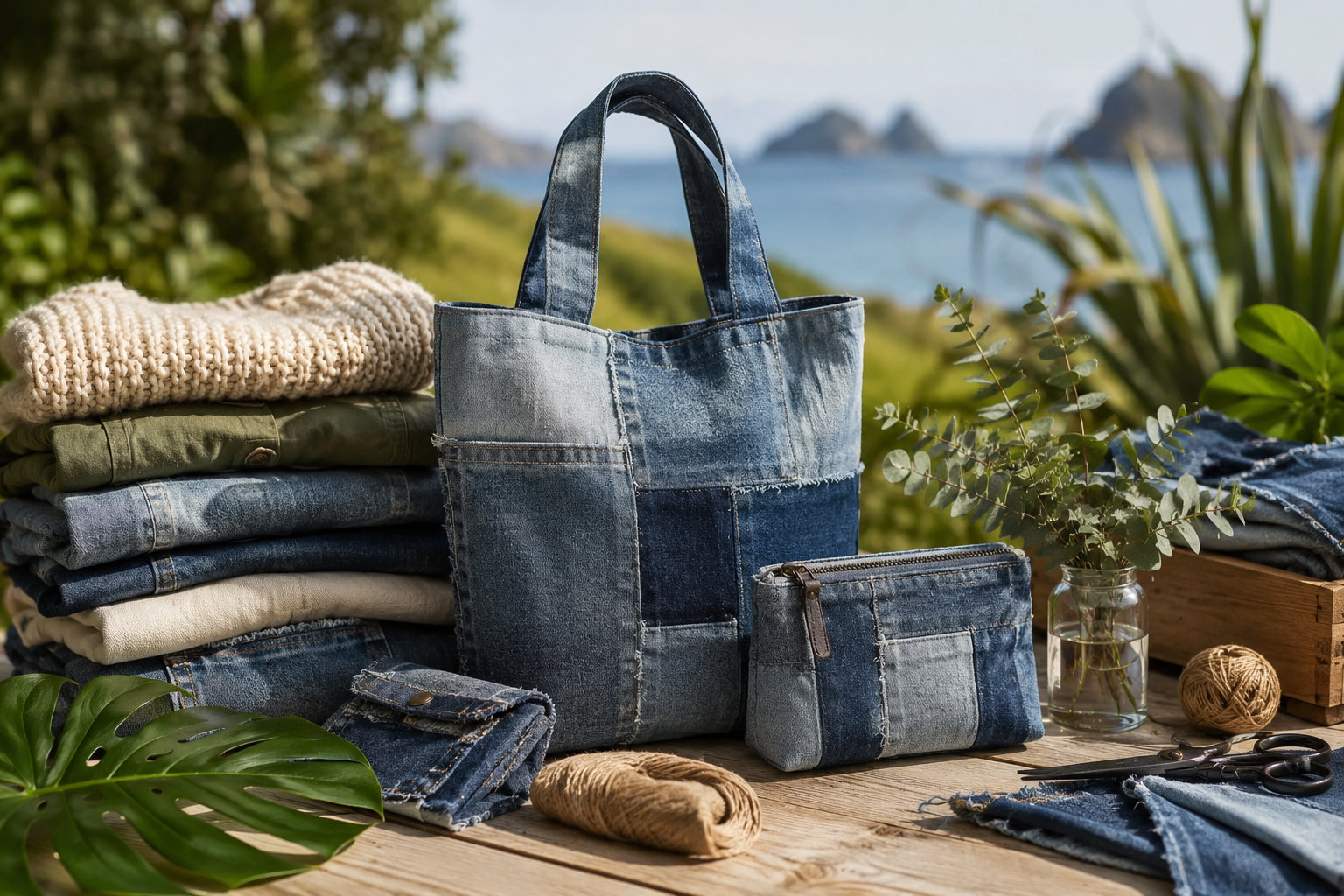
Old clothes and fabric scraps are finding fresh life through upcycling. Rather than toss materials aside, companies reshape them into something different. A jacket becomes a bag. Leftover swatches turn into patchwork skirts. Waste shifts form instead of filling landfills. Creativity drives change here. Designers rethink what “discarded” really means.
Common Upcycled Fashion Items Include:
- Denim jackets
- Handmade bags
- Fashion accessories
- Customize Products
History lives in the materials, so each item gets its own character. Not one feels quite like another thanks to slight shifts in how it’s stitched, touched by hand, or woven. Texture plays a role too—subtle but clear when you look close.
From here, paths open to link naturally within content about upcycled fashion shops, handcrafted tote bags made from old denim, or sustainable brand items. Inside these topics, connections grow without force, guided by context instead of design.
Signs of Eco Friendly Clothing Brands
Look beyond the tag when spotting eco-friendly clothing. Clues like material choice or production methods often reveal a brand’s true impact.
Sustainable Materials
Some labels choose leftover fabrics rather than making fresh ones from scratch. Others build clothes using old jeans, skipping brand-new fibers altogether. A few rely on organically grown cotton, avoiding standard farming methods. Not every company follows the crowd when sourcing cloth. Reusing what already exists shapes part of their process.
Transparent Production
Most companies that care will tell you where things come from, also how they’re made.
Ethical Labor Practices
How clothes are made matters just as much as what they’re made of. Workers deserve respect, factories need to be secure places, while production should never harm communities. Doing things right isn’t optional—it’s built into better fashion.
Long-Lasting Design
Fewer clothes thrown away means less strain on resources when pieces last longer. Garments that hold up shift how often people buy new things.
Circular Fashion Approaches
Mending garments, giving them new uses, or finding fresh roles for old fabrics helps items last longer. This kind of care slows down waste while quietly backing long-term environmental balance.
Sustainable Fashion in Business Settings
Out of sight, eco-friendly clothing shows up where you might least expect. Step inside today’s offices, sustainability shapes how companies present themselves, share gifts, even hand out keepsakes.
Popular Options Include:
- Corporate gifts
- Sustainable merchandise
- Branded tote bags
- Employee appreciation products
- Recycled accessories
From reusable bags to bamboo utensils, each piece sticks around—quiet proof that everyday choices can mirror a company’s care for the planet. A coffee mug branded with honesty lasts longer than plastic promises. What gets handed out often becomes part of someone’s daily rhythm, not just tossed aside. Items built to endure tend to travel further, showing up at desks, kitchens, parks. When usefulness meets intention, even small objects carry weight.
Collaborations for Greener Ideas
Out of leftover fabric, new ideas take shape when makers join forces across design and production worlds. With every joint effort, waste finds fresh purpose—slowly shifting how people think about what clothes do to the planet.
Collaborations pushes brands to try fresh techniques, swap in new materials, yet adopt circular ways of making things—cutting down waste throughout fashion. Though rare, these shifts often spark when companies join forces unexpectedly.
Consumers Choose Eco Friendly Clothes in New Zealand
Some people now choose eco-friendly clothes since they care about value along with craftsmanship. A growing number prefer fashion that stands for something while lasting longer.
Benefits Include:
- Lower environmental impact
- Better craftsmanship
- Unique product designs
- Ethical manufacturing
- Longer product lifespan
Now it’s thoughtfulness that draws buyers, not speed. Carefully made items gain favor over quick fixes. With purpose behind them, goods stand out more than ever before.
useDEM Promotes Sustainable Fashion Practices
Out of old jeans and fabric scraps, something new takes shape. Handmade goods rise where waste once sat, shaped by care rather than mass production. One stitch at a time, ideas form that follow nature’s lead. Style shows up without sacrificing purpose. Each piece answers a simple idea: what if the planet guided design? Waste shrinks when imagination leads. Creation happens slowly, thoughtfully, away from fast trends. What was ignored now holds value again.
What begins as thread and fabric turns into purpose. Handmade bags take shape alongside tailored corporate items, each piece built differently. Instead of following trends, choices guide the work—reusable materials shaped quietly into new forms. Responsibility shows not in slogans but in stitches, where invention meets care without announcement.
The Future Of Sustainable Fashion In New Zealand
These days, folks are starting to notice how much old clothing piles up and what that means for nature. Down in New Zealand, that realisation has quietly nudged fashion toward better choices. People now tend to watch closely—what gets made, who makes it, and how gently things touch the earth.
- Better-quality materials
- Transparent sourcing
- Ethical manufacturing
- Products built to last
Slowly, clothes are shifting away from quick throwaways. New ways of thinking now highlight using things again. Imagination plays a bigger role these days. Taking care over time matters more than before. Trends come and go, yet lasting choices stand out instead.
Conclusion
More people in New Zealand now look beyond cheap trends, choosing clothes kinder to the planet. Style does not vanish when factories treat workers fairly and cut down trash. A shift happens quietly—wardrobes change without loud announcements. These brands show looking good works hand in hand with doing good.
Out of old materials come new styles—jewelry shaped by hand finds purpose here. Gifts for teams now carry meaning when chosen with care. Partnerships spark ideas that dress change differently. Responsibility wears well, stitched into what we wear each day.
From small steps come big changes—each pick shapes how clothes are made, respected, slowly worn. A slower rhythm grows when thought leads what we wear.
