- April 7, 2026
Why Upcycled Denim Jeans Are Shaping the Future of Sustainable Fashion
People care about clothes looking nice, yet also hurting Earth less. With more talk on trash piles and making too much stuff, shoppers watch how their outfits take shape – which fields feed them. A quiet opening forms for smarter picks; among these, old denim reborn stands clear.
One person’s trash used to include faded blue jeans. Now those same threads spark something bold and renewed. Tattered trousers, cut-offs, even scraps tossed aside – they’re stitched into pieces with soul and direction. Think of it as fashion waking up. Not merely chasing what’s next. A shift, quiet but steady, toward choices that last longer than a season.
Upcycled Denim Jeans Explained?
Old denim gets another life when turned into fresh items, keeping its fabric whole instead of shredding it apart. While regular recycling leans on heavy machinery, this method skips that step entirely – preserving what’s already there. The cloth stays untouched in structure, yet finds purpose again through shape-shifting reuse.
Old jeans find fresh purpose through inventive reuse. From discarded bits, material gets sliced, sewn, transformed – given second lives as clothing with a story. Rather than pile up in landfills, they take form again, remade by hand with intent.
From old jeans come new life, thanks to their tough nature. Not just strong but full of character, they carry history in every thread. What sticks around longest often looks most interesting – denim proves that. Built to last, it finds fresh purpose without losing its soul.
Upcycled Denim Makes a Difference
Year after year, mountains of fabric pile up thanks to how clothes are made. Most outfits get used just hand full of times before ending up tossed aside. Though jeans can last years, they still wind up discarded like everything else.
Old cloth gets a fresh role when reused creatively. Instead of crafting fresh jeans, creators work with pieces already around. Because of that, fewer raw supplies are pulled from nature. Less harm comes to ecosystems since making something new happens less often.
Wearing jeans made from reused fabric? It keeps clothes out of landfills by looping old material back into wear. Old threads get another life – this way, less waste piles up while style stays fresh.
The Environmental Upside of Using Old Denim
What makes upcycled jeans stand out lately? Their effect on nature matters more now. Growing fresh cotton for jeans uses too much water, power, lights up factories, mixes harsh chemicals. Old cloth gets another life instead. That skips a lot of harm usually caused. Less strain shows when we wear what’s already made.
Key benefits include:
- Less textile waste going to landfill
- Fewer resources pulled from the earth when needs slow down
- Using less water than making brand-new jeans does
- Less pressure on manufacturing resources
- A more responsible approach to fashion design
Turning worn jeans into something fresh means fewer raw materials get pulled from the earth. This small change? It adds up in quiet ways.
Each Item Holds a Unique Tale
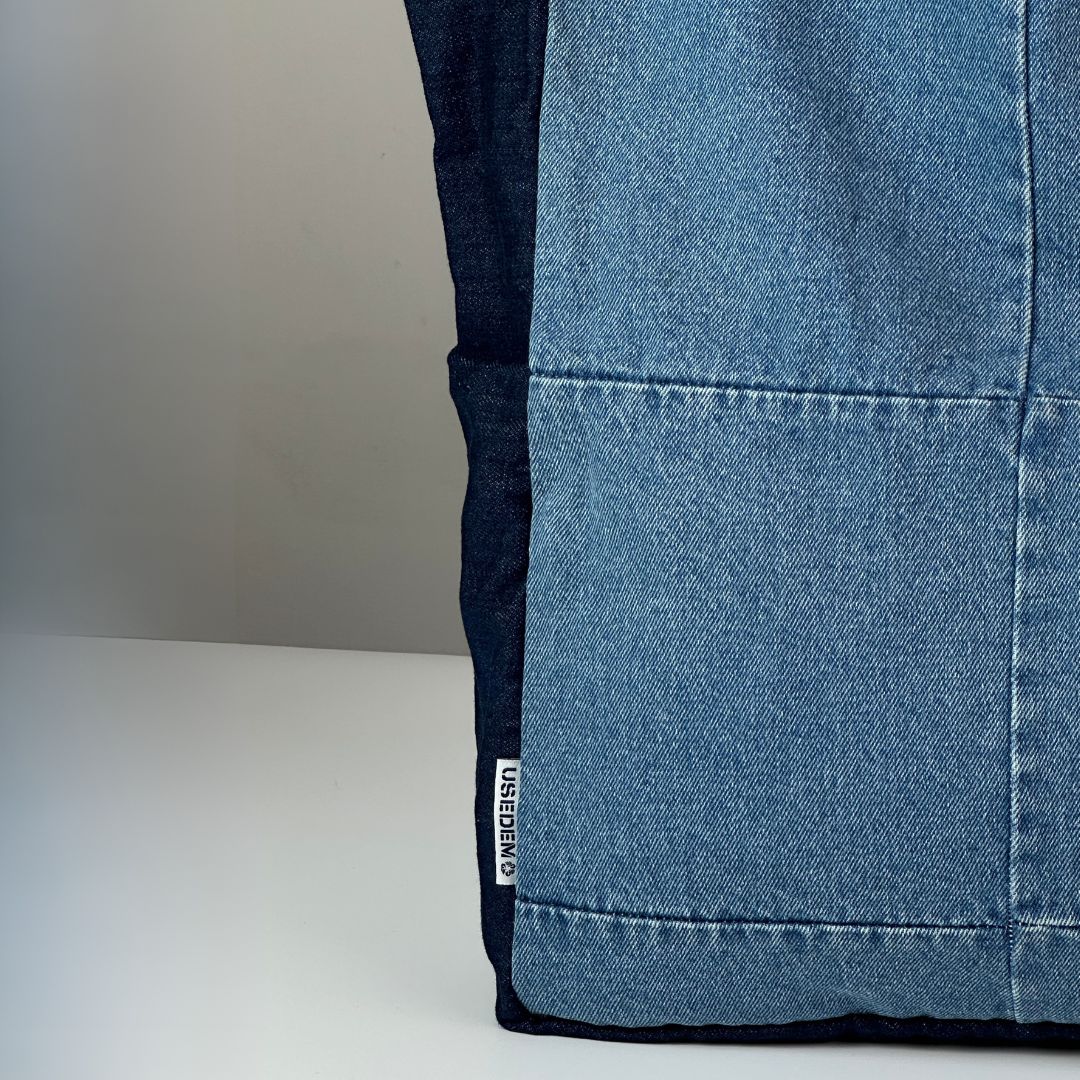
What stands out with upcycled denim trousers is how each one turns out different from the next. Since every patch, join, wear mark, and surface began as something worn long ago, it carries traces of past use into its new form. Despite similar starting points, outcomes never repeat themselves. Because history shapes material, repetition becomes impossible. Old stitching lines show where someone else once moved, sat, climbed. Even fading patterns keep memories stitched in thread and dye.
One-of-a-kind, every piece stands apart. Not stamped out by machines, repurposed denim holds a story. Worn-in jeans or a bag from old cloth come across as thoughtful, distinct, built with care. Each stitch whispers difference instead of shouting trends.
A feeling of connection shows up for some shoppers. More than fabric, it carries weight. Identity slips into the seams.
Upcycled Denim Uses?
Old denim finds new life in surprising ways. Because it holds up so well and looks good doing it, jackets, bags, even home items often start right there. Not just pants anymore – reimagined fabric shows up where you least expect. Toughness meets charm, opening doors to things like lamp shades or laptop sleeves. Sometimes the past becomes exactly what the present needs.
Common upcycled denim products include:
- Denim bags and backpacks
- Jackets and vests
- Wallets and pouches
- Laptop sleeves
- Sustainable fashion accessories
- Reworked jeans and clothing pieces
This adaptability suits fashion labels just as well as it does makers of everyday goods wanting eco-friendly fabrics.
The Rise Of Conscious Fashion Choices
Noticing a shift, today’s buyers pause longer before purchasing. Instead of quick trends, durability sways choices – ethics matter now too. Useful items outshine fleeting styles. Longevity wins quiet attention over speed.
Upcycled jeans just make sense here. Because people want clothes that show imagination, clever use of materials, less trash. Style still matters when shopping. But so does knowing how it was made, what it stands for, who made it.
When this way of thinking spreads, recycled jeans start mattering more to today’s clothing companies along with sustainable labels.
Upcycled Denim Fits Brand Needs
Denim given new life finds worth beyond personal buyers. For companies aiming at thoughtful product stories, it opens quiet opportunities. Still.
Nowadays, it’s not just about looking good. What goes into making something matters more than ever – to buyers, coworkers, even collaborators. Using old jeans to craft new items sends a quiet message. It shows care. Not just for design, but for what happens before the product exists.
This might come in handy when dealing with situations like these:
- Sustainable fashion labels
- Eco-conscious product brands
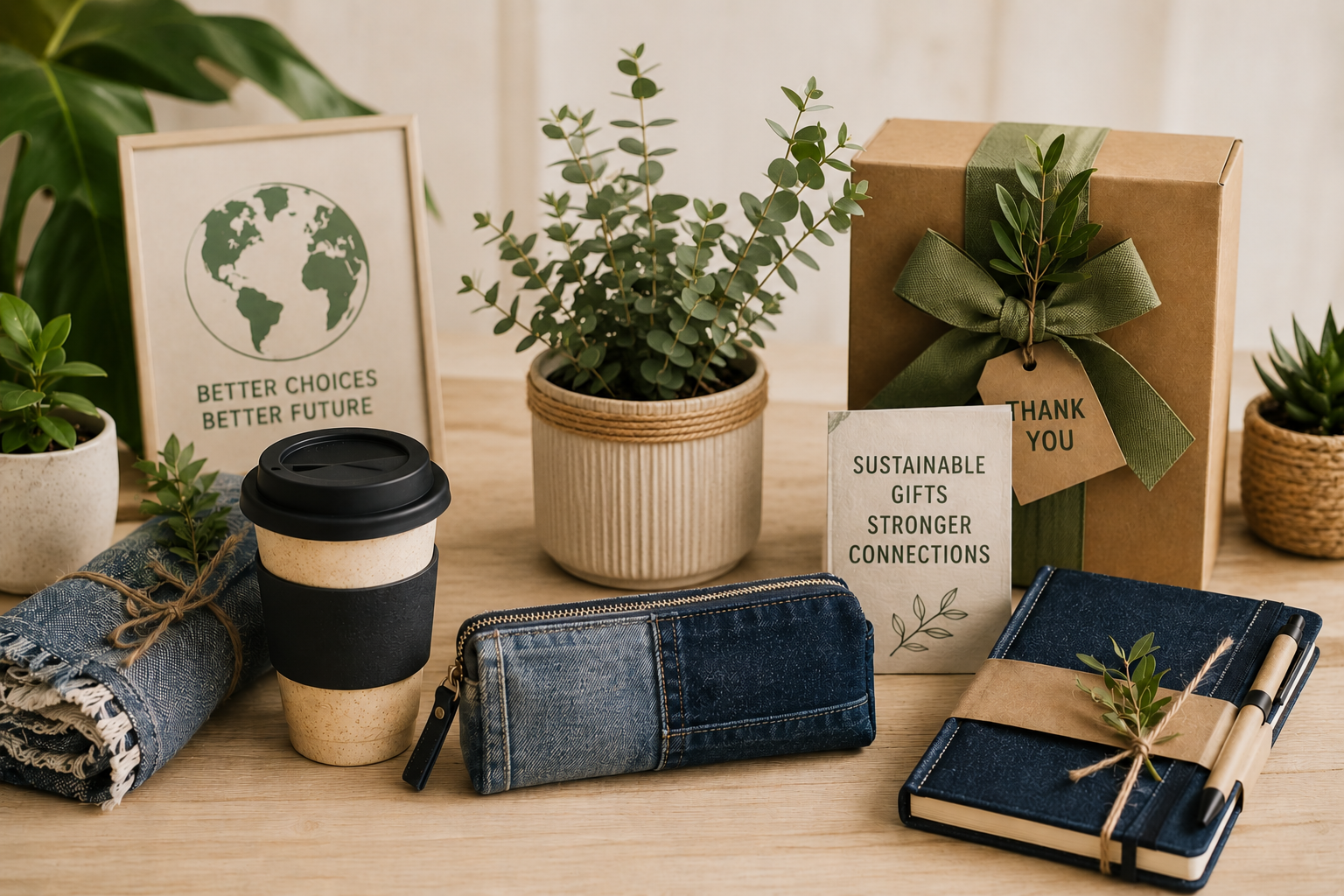
- Corporate gifting businesses
- Lifestyle and accessory brands
- Private label and wholesale product lines
What if old jeans became new value? Turning worn denim into fresh products gives companies a way to stand out while doing good. Not only does it reduce waste, but it also connects with people who care where things come from. This kind of choice often speaks louder than ads ever could.
Handmade Quality In Each Item
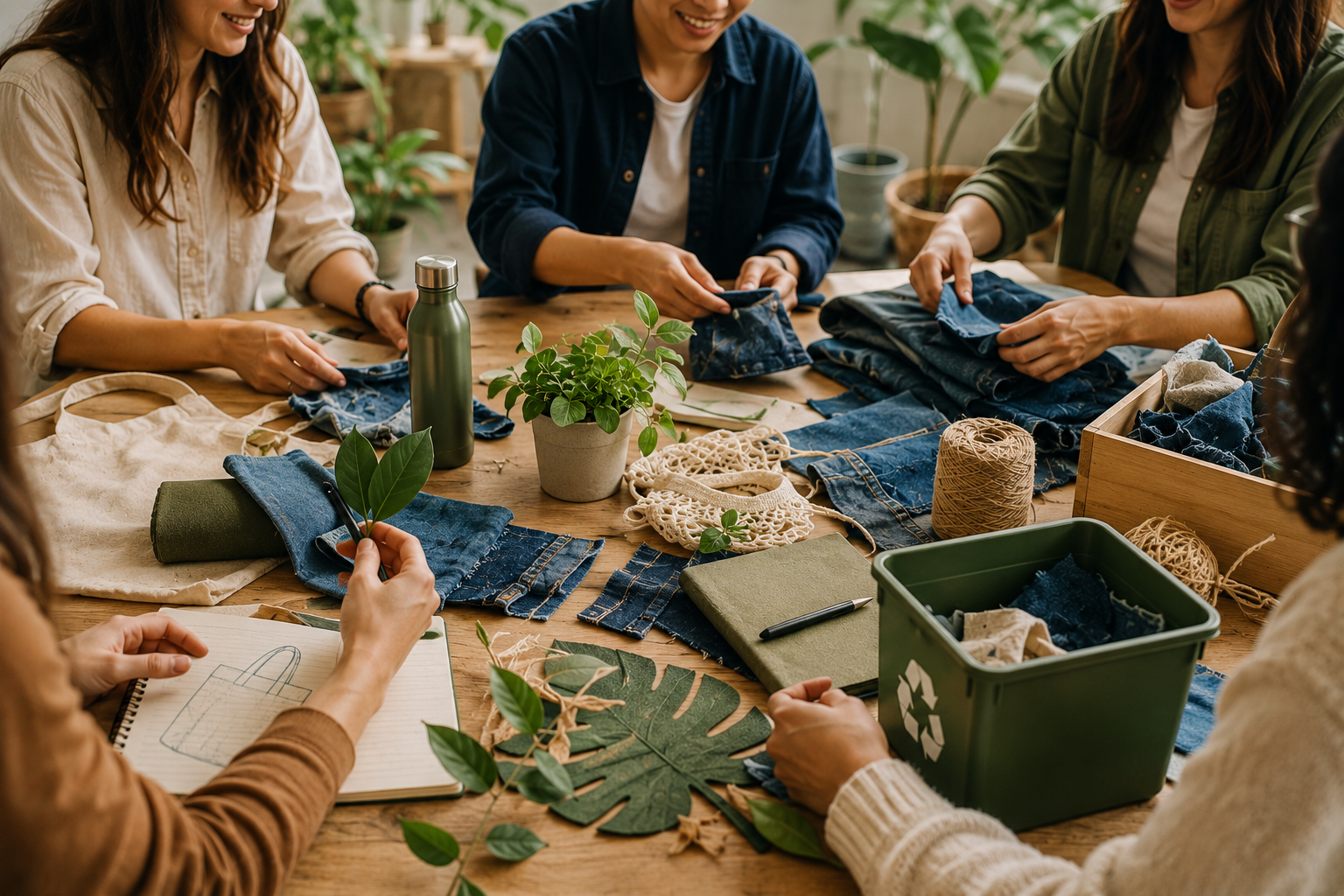
Not every scrap of old jeans gets treated the same way. Because textures and colors shift from one garment to another, builders must adjust as they go. A slight tear here, a faded patch there – each decides how the final shape takes form. Hands move slowly, eyes stay sharp, choices build quietly.
Starting with scraps of old jeans, workers pull out pieces fit for reuse. Then comes shaping those bits into new forms through careful trimming. One stitch follows another, linking parts slowly. What takes shape tends to carry purpose, standing apart from things tossed aside without thought.
Folks drawn to well-made goods often notice the difference when something isn’t mass-produced. Care shows up in the details, even if they can’t name why it feels right.
The Future Of Sustainable Fashion
One day soon, old jeans might matter more than new ones. Not every piece needs making from scratch anymore. Instead, reinvention takes center stage slowly. Old fabric finds fresh purpose through clever hands. What was once worn can become something different entirely. Thinking ahead means looking backward too. Garments live longer when imagination fills gaps. This shift does not shout. It whispers with each stitch reused.
Out here, where old things get new life, upcycled denim fits right in. Not just tough stuff that lasts, but made fresh through clever hands. Because thinking about waste leads some straight to the sewing machine. Style shows up, yes, yet so does care for what lingers after use. Choices like these? They stick close to real needs – no showy talk needed.
Final Thoughts
Old jeans given new life aren’t just about style. This shift questions how we see clothes, trash, and worth. Turning worn denim into something different makes eco-friendly design inventive, thoughtful, maybe even honest.
Out of old jeans, new purpose grows. For those who buy clothes with care – or labels testing greener paths – this fabric turns leftover scraps into fresh options. Worn-out doesn’t mean worn down. A pair once tossed aside might just dress someone tomorrow. Value hides where people stop looking.