- April 24, 2026
Sustainable Fashion Shifts Global Market Trends
Fast, cheap clothes once ruled the scene. Yet things shift when care for the planet pushes into view. Not focused on endless output anymore, some companies begin questioning every step – how items come together, live their life, then find new purpose after.
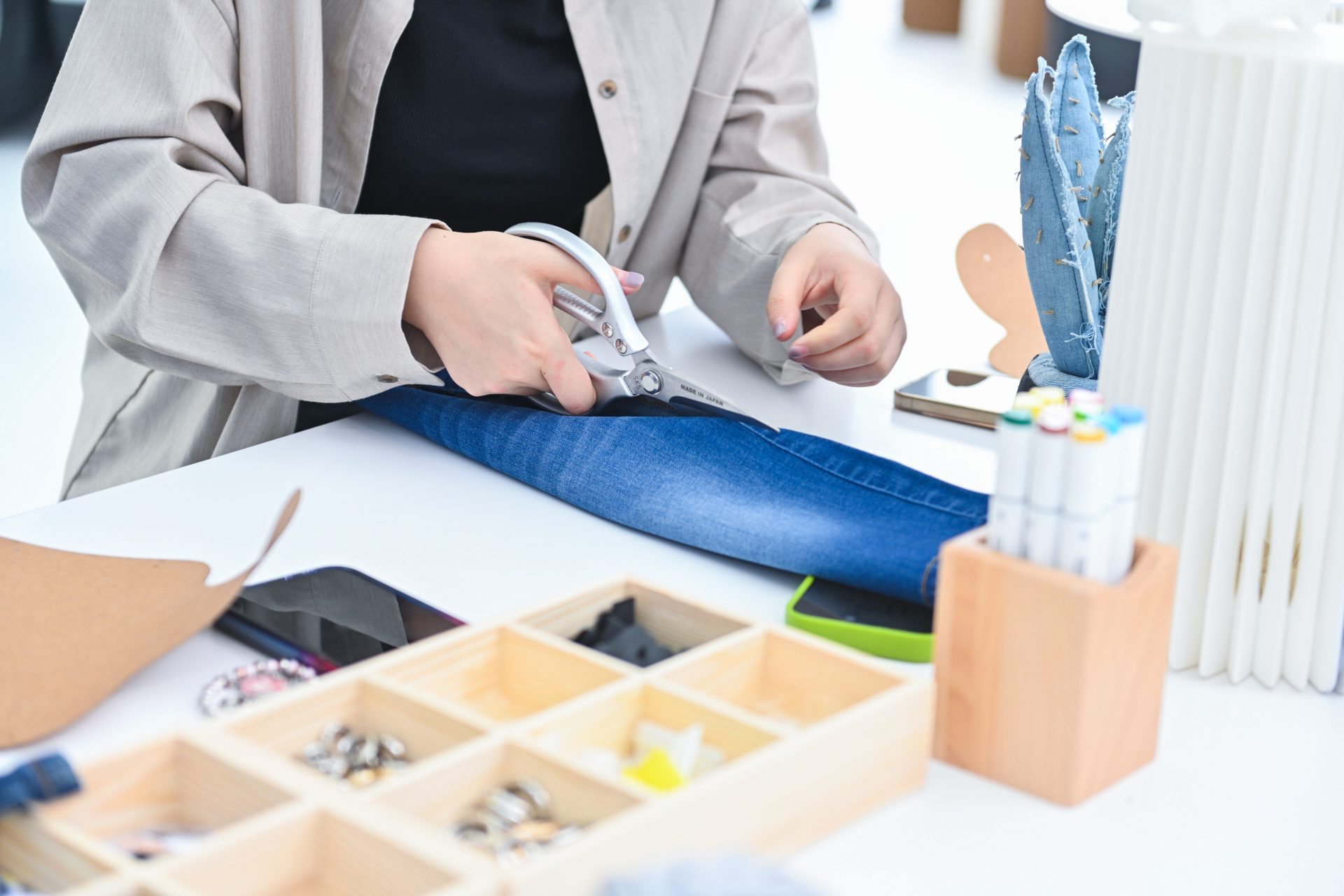
Waste isn’t trash anymore – suddenly it’s raw material. Right there, that idea drives what useDEM does: old jeans become useful things again, built well and made to look good. These materials are transformed into bags, accessories, and functional items instead of being discarded.
Fast Fashion Becomes Circular Fashion
Out here, old-school clothing paths go one way: make it, buy it, toss it. Looping back around, eco-conscious style builds circles instead – stuff gets reborn, remade, given new life through reuse or clever recycling.
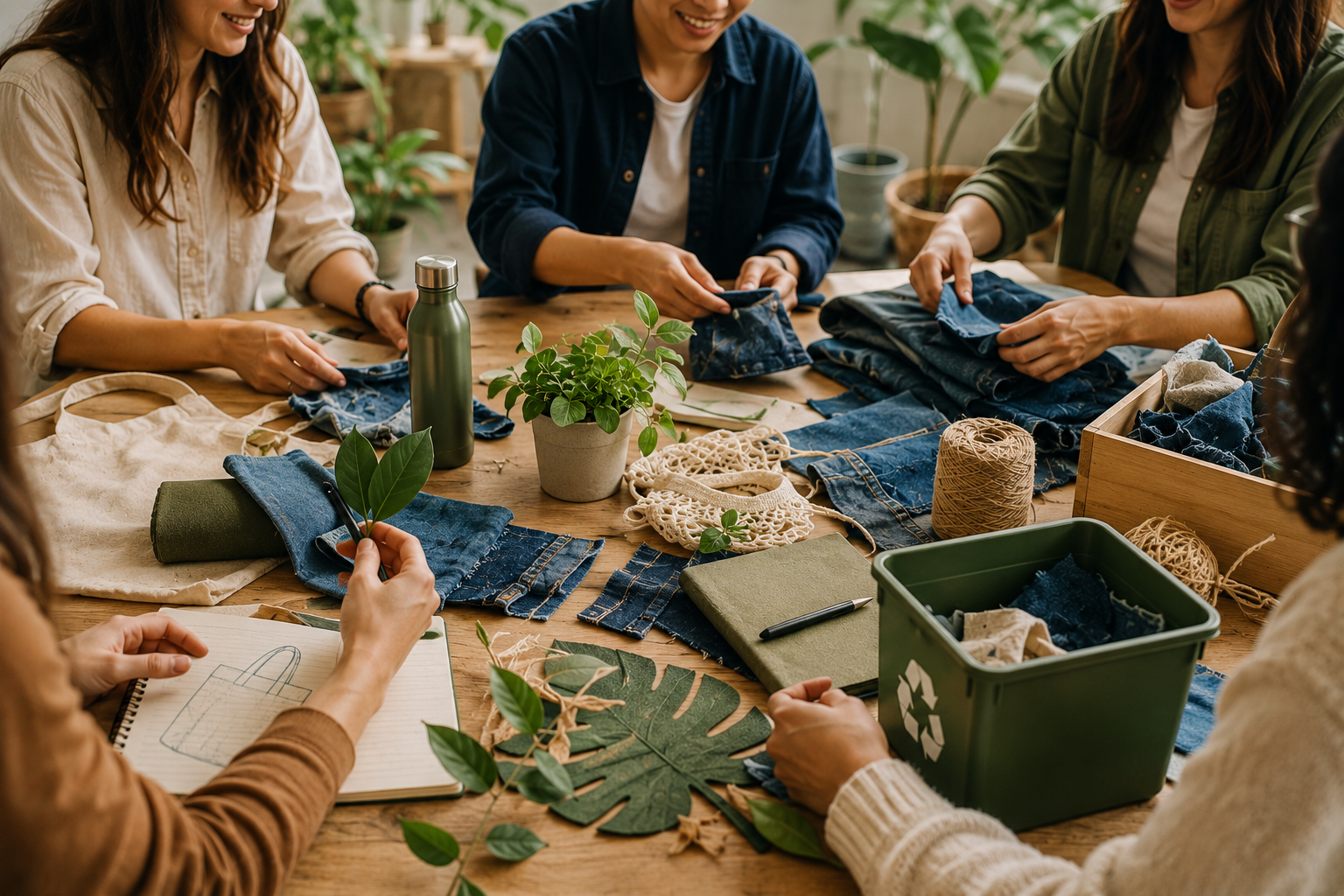
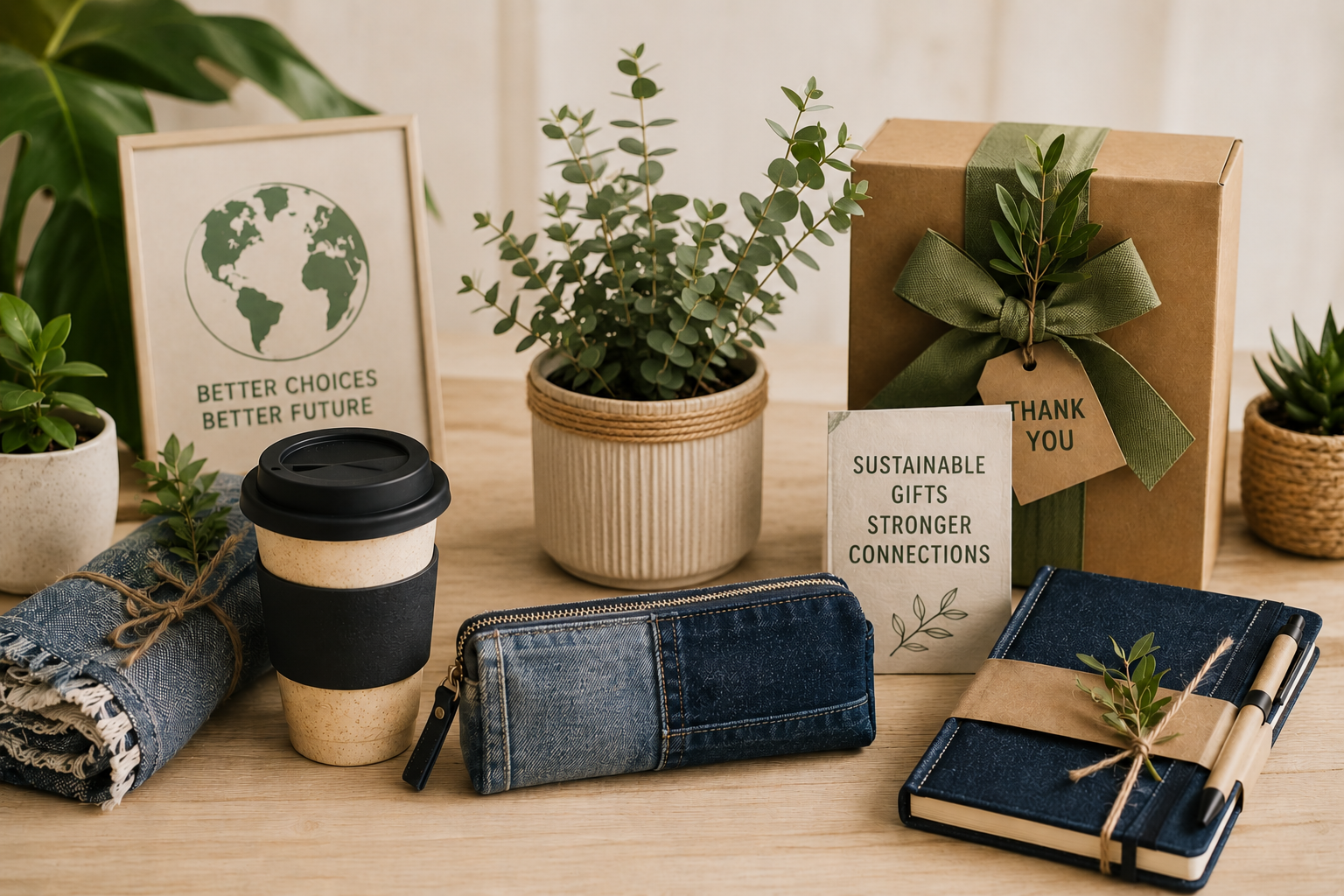
Old jeans become bags, laptop covers, or accessories when useDEM gives them a second life. Not only does this reduce waste, but it also creates one-of-a-kind pieces. What matters most shows up in how materials are reused instead of discarded. Each product carries traces of its past while serving something new. Surprising value appears where others see trash. The method skips mass production entirely. Ideas grow from what already exists. Waste turns into purpose without needing more resources.
- Reduces textile waste
- Extends product life cycles
- Minimizes environmental damage
Across the world, big companies are starting to rethink how they operate – some now testing buy-back systems, others building ways to reuse old materials. A quiet change is reshaping what happens after a product’s first life ends.
Consumer Behavior Is Changing
Folks these days pay closer attention to nature troubles. Asking themselves – what really happens behind what they buy?
- From what place do their garments arrive
- How they are made
- What impact they have on the planet
Turning old materials into fresh accessories lets people take part firsthand. With useDEM, recycling fashion becomes something you live, not just hear about. It shifts the act of caring for the planet from talk to touch. Each redesign is a choice shaped by hands, not slogans.
Change in how people think now drives worldwide trade. Their choices shape where things go next. What buyers want redirects entire industries slowly. Preferences today twist paths of tomorrow’s products. New attitudes force shifts across borders constantly.
- Transparency
- Ethical sourcing
- Responsible production
Sustainability Part of Business Planning
Facing limits pushes companies to change their ways. One result shows up where profits meet planet care.
From behind the scenes, useDEM teams up with businesses, turning extra fabric and leftover stock into useful goods. Instead of waste piling up, materials get a second life through smart reuse. Behind every partnership sits a shared goal: keep usable textiles out of landfills. By linking arms with brands, unused resources shift from burden to benefit.
This creates multiple benefits:
- Reduced waste management costs
- New revenue streams from unused materials
- Stronger sustainability credentials
Big companies such as Prosperity Textile now join these efforts, revealing shifts in worldwide supply networks due to environmental concerns. Not just small players – industry giants too adapt, proving change runs deep. Their involvement signals a broader trend: eco-conscious choices shape operations far beyond single factories. Global impact grows quietly through such alliances, step by step.
Innovation Fuels Competitive Edge
What you wear can reflect more than values – creativity often hides in the seams.
Out of what most people toss aside, Xenia Sidorenko found a path. She saw forests thinning, rivers dulling – signs piling up from endless manufacturing runs. Then came old jeans, once forgotten, now reshaped into bags and accessories worth something real. Her work quietly shows how care for the planet doesn’t have to mean sacrifice. Instead, it opens doors where others see walls.
Out here, progress keeps pulling the sector forward. New ideas shift how things work. Change arrives quietly, then sticks around. Movement gains speed without warning. The field transforms through small steps. Forward motion never waits for permission.
- New materials
- Alternative production methods
- Creative design processes
Out front, some companies tweak their approach – doing it greener – and find they stand out abroad. While others stick to old ways, these ones move ahead simply by thinking anew about impact.
Working Together Matters More Now
Working together makes sustainability possible. Without teaming up across different areas, it falls apart. One piece alone won’t hold the whole thing together. Progress depends on links between groups, not single efforts. Alone never builds what shared steps can.
- Designers
- Manufacturers
- Organizations
- Consumers
Working together, useDEM teams up with suppliers and community groups to multiply results. These links show what shared goals can achieve when people join forces. Each partnership builds wider change through steady collaboration. Efforts grow stronger not by luck but through consistent teamwork across different areas. The reach expands because many contribute in their own way.
Across the world, this shift is sparking changes like these:
- Cross-industry partnerships
- Shared sustainability standards
- Collaborative innovation ecosystems
Social Impact Becomes Part of Fashion’s Worth
Fashion that lasts looks beyond nature, touching lives through fair treatment of people. It moves past green ideas by building respect into how products are made.
Starting with a choice to partner up, useDEM teams up with groups offering work opportunities to people who have unique abilities. Purpose weaves through every move because of these connections, shaping how things get done behind the scenes. Inclusion isn’t added on – it shows up naturally, built right into daily operations from the start.
This change shows how companies now face new demands:
- Support communities
- Promote ethical labor practices
- Create meaningful impact beyond profit
Conclusion
From factories to consumers, products now follow cleaner paths because methods shift slowly across production and habits. Buyers pause before purchasing, noticing threads tied to earth and labor more often lately.
Out of nowhere, companies such as useDEM prove change isn’t just an idea on paper. Turning waste into functional accessories while giving users more say, the fashion industry shifts – industry by industry. Style still matters, yet so does doing right, and now both move forward together.
What you see today isn’t simply products in use – choices speak louder than material.