- March 16, 2026
How to Choose Sustainable Bags: A Complete Guide
Right now, looking after the planet is more duty than fad. Picking greener bags means less trash piles up while sparing raw stuff, also lifts fair clothing choices. Yet when shelves overflow with picks, finding your match feels tricky somehow. Step one makes things clearer already.
Sustainable Bags Meaning Explained
A tote built to last begins with thoughtful choices. Not only does it serve daily needs, but also respects the resources used. What you carry reflects more than fashion – materials matter, origins count. Built tough, designed smart, chosen wisely. From harvest to handhold, each step leaves less behind. Long life doesn’t come by accident – craftsmanship guides it. Waste fades when purpose leads. Durability shows up quietly, day after day.
From ocean plastics comes fabric that breathes. Old jeans live again through stitched renewal. Grown without poisons, cotton softens with time. Plants lend strength minus chemical trails.
Fair pay shows up alongside safer workplaces, while harm to nature stays low.
Fewer things tossed away because it’s built to stick around. Tough materials mean less junk piling up over time. Stays strong even when used every day. Lasts longer than most by holding up under pressure. Waste drops when products do not break fast.
Picking a bag based on these points means you’re looking out for the planet. It’s not just about function – what you carry can reflect care for nature. Each choice adds up, quietly shaping better habits. The right pick fits life without harming what’s around it.
Consider the Material
What you build with matters most when it comes to lasting impact. Bamboo steps in where plastic once ruled. Cork shows up strong instead of foam. Hemp fabric swaps out polyester quietly. Recycled glass takes the place of virgin materials without fanfare. Even mycelium makes a quiet entrance beneath synthetic options.
Material Guide
Material
Benefits
Tips
Recycled Fabric
Fewer clothes tossed out. Kind to nature instead
Look into whether it holds a verified recycled certification
Organic Cotton
Fewer chemicals sprayed on crops. Materials break down naturally over time
Check for GOTS certification
Upcycled Denim
Stylish and unique
Supports circular fashion
Hemp
Strong, minimal environmental impact
Durable for daily use
Cork
Renewable and lightweight
Water-resistant alternative
Fake materials such as PU or PVC tend to stick around forever, damaging nature along the way. Because they refuse to break down, living systems pay the price instead. These lab-made coatings leave a mark long after their use fades away.
Size And Functionality Matter
A sustainable bag should fit your lifestyle.
Consider:
Sling one over your shoulder on the way to the office. Carry it through campus between classes. Haul groceries home after a long day instead of juggling plastic sacks.
Packing light matters when you move often. Tough materials handle rough treatment on the go. Shapes that shift fit more situations easily.
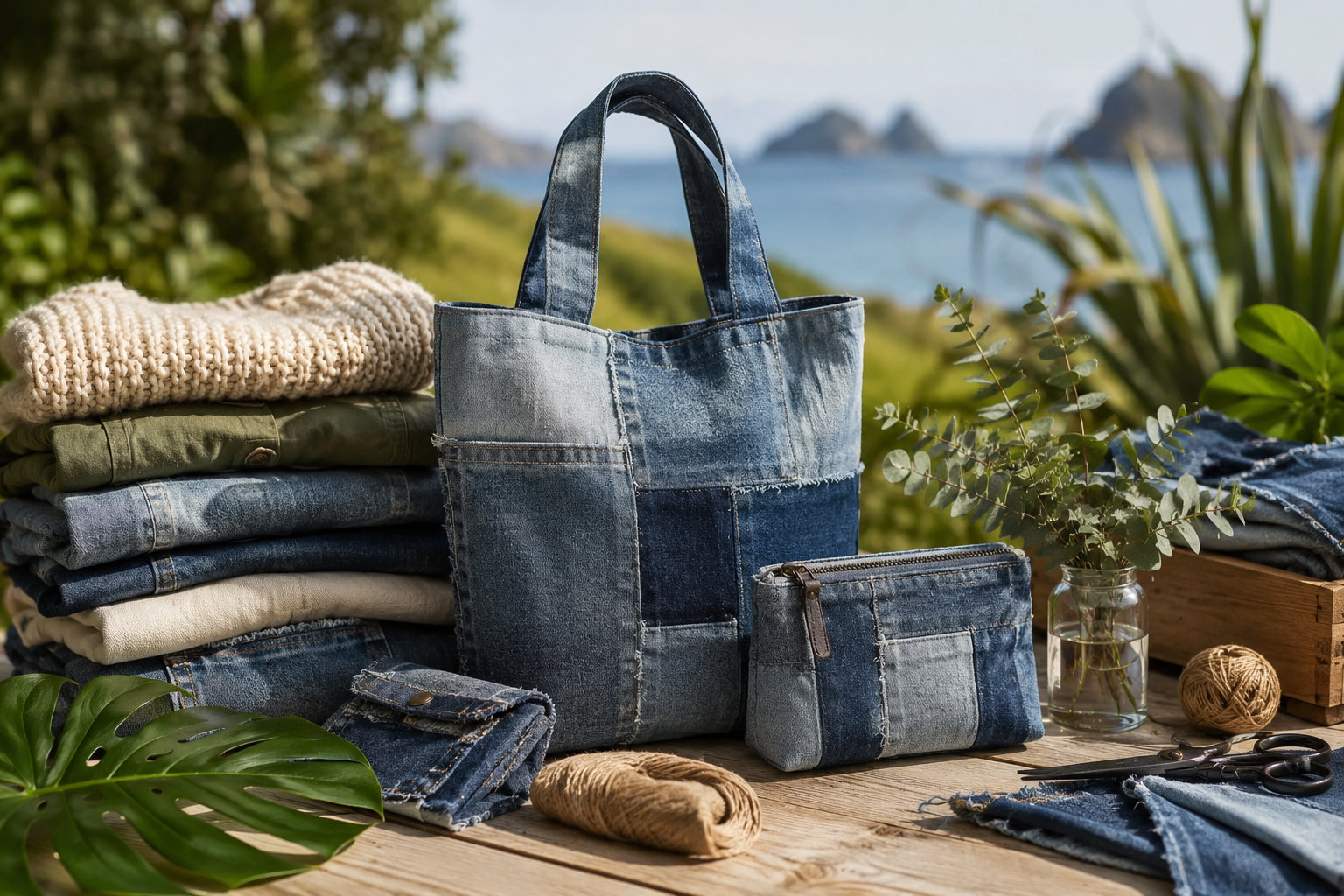
On birthdays or holidays, these chic reused tote designs bring flair to any look – crafted uniqueness meets everyday wear. Their one-of-a-kind textures stand out without trying too hard – each piece shaped by past lives into something fresh.
A single bag that does many jobs means buying fewer things – better for the planet. What matters is using less, not owning more.
Durability is Key
A good bag must stick around to matter. Look at how long it can go before wearing out.
● Reinforced stitching
● Strong zippers and closures
● Sturdy handles and straps
Bags that last cut costs while easing pressure on trash sites.
Ethical Brands Make a Difference
A good bag starts with who makes it. Pick companies where ethics shape every step. Choose makers focused on fair work, clean materials, long life. The name on the tag tells part of the story. Trust those showing how things are built. Values show up in choices – traceable sources, honest updates, low waste. A responsible label often means fewer shortcuts. What they do behind the scenes counts just as much.
● Prioritize fair labor practices
● Use minimal packaging
● Offer repair or recycling programs
A single bag at a time, useDEM turns leftover fabric scraps into durable accessories people actually want to carry. Not focused on trends but function – each piece shaped by what the material allows. Waste becomes structure instead of being tossed aside. Crafted where it’s needed most, repairs happen locally across cities in China and parts of New Zealand. Ethical choices show up quietly – in seams, straps, decisions made far from spotlight.
Check Certifications
Some certifications ensure the bag meets environmental and ethical standards:
GOTS Global Organic Textile Standard
Fair Trade Ethical Labor Practices
● OEKO-TEX – Safe, toxin-free fabrics
Bags wearing these tags make it clear they’re built with the planet in mind.
Style and Personal Choice
Style stays strong when choices last longer. Pick pieces built to go the distance instead of chasing quick trends.
● Reflect your personality
● Complement your wardrobe
● Encourage regular use
A well-worn bag means fewer clothes bought on impulse. Every trip it takes replaces a new purchase someone might otherwise make. Often, its scuffs tell stories fabric never could. With time, reliance grows quiet but steady. Each journey together slows the churn just a little. Its presence alone reshapes what feels necessary.
Maintenance and Longevity
Take care of your bag to maximize its lifespan:
● Spot clean or hand wash instead of machine washing
● Store in a cool, dry place
● Repair minor damages instead of replacing
A well-kept bag lasts longer, supporting sustainable habits without extra effort. How you treat it shapes how long it stays useful.
Choose with Awareness
Before buying, ask yourself:
Is owning another bag necessary? Maybe not.
● Will I use it often?
Fair treatment during production – does that happen?
Fewer things bought on purpose means less trash piles up. Choosing again over new keeps stuff looping back around.
Final Thoughts
A choice like this shapes more than just what you carry. Material matters, yet how long it lasts often shifts the real impact. When people make things fairly, values show up in every seam. Style does not need to fade when purpose stays strong. What fits your life can also fit the world’s needs – without extra weight.
Picking a tote from companies such as usedEM means snagging something sharp that won’t quit after a season. Step into smarter choices without fanfare, simply carry what matters – each trip out adds up.
Frequently Asked Questions on Eco Friendly Bags
What makes a bag truly sustainable?
Friendly to nature’s balance, made without harming people, built so they won’t wear out fast.
Are upcycled bags durable?
True – most definitely so if built to work well and fit regular routines.
How can I clean a sustainable bag?
Start by wiping just the stained part using gentle soap. A quick rinse under running water works well after that. Hang it up somewhere with good airflow when done. This keeps things lasting longer without wearing out fast.
Why choose sustainable bags over regular ones?
Fewer leftovers pile up because of them, while nature takes less of a hit along the way; fair treatment for workers also gets a quiet boost behind the scenes.
Places to find eco friendly bags?
A fresh spin on clothes comes from companies such as useDEM. These makers turn old materials into new styles instead of tossing them away. Their work skips waste while shaping pieces people actually wear. What once had a past gets stitched into something useful again.