- June 23, 2026
How Sustainability Workshops Inspire Workplace Change
Most folks used to think green efforts were just corporate talk. Now, companies see real shifts come from individuals taking notice. Rules help point the way – yet long-term results grow out of awareness in daily habits. It clicks for teams when they grasp personal stakes in bigger ecological aims. That quiet understanding? What makes hands-on sessions on planet-friendly practices more common inside workplaces lately.
Workshops on sustainability offer hands-on moments instead of just slides and numbers. People get involved when they can touch, try, or test ideas themselves. Through talking and sharing thoughts, new views often take shape. One choice at a time, the bigger picture becomes clearer. Ideas flow better when questions are welcome. Doing something together makes abstract topics feel real. When voices join, insights grow without needing expert terms.
Workshops help people act, not just know. When firms care about ethics, staff involvement shows up fast. Action follows attention through guided sessions. These gatherings shift talk into doing stuff that matters.
Why Sustainability Education Matters
Most workers care about green efforts, yet finding ways to link those ideas into everyday tasks isn’t always clear. Big company targets might seem far off, making it hard to see where one person fits in.
Here’s how it works. Workshops turn big environmental problems into something you can touch and see. Not just lectures on cutting waste or reusing clothes – people dig into ideas by doing things themselves. Real examples guide them, not theories. They try stuff out instead of sitting back. Learning happens when they roll up their sleeves. The hard bits start making sense that way.
Putting it this way opens up green choices without pressure. Workers start seeing waste, energy, materials – not as separate issues but through a fresh lens. Small shifts add up when daily habits change quietly.
Learning by Doing
What sticks in memory often comes from doing, not just listening. These workshops pull people into the moment instead of showing slides.
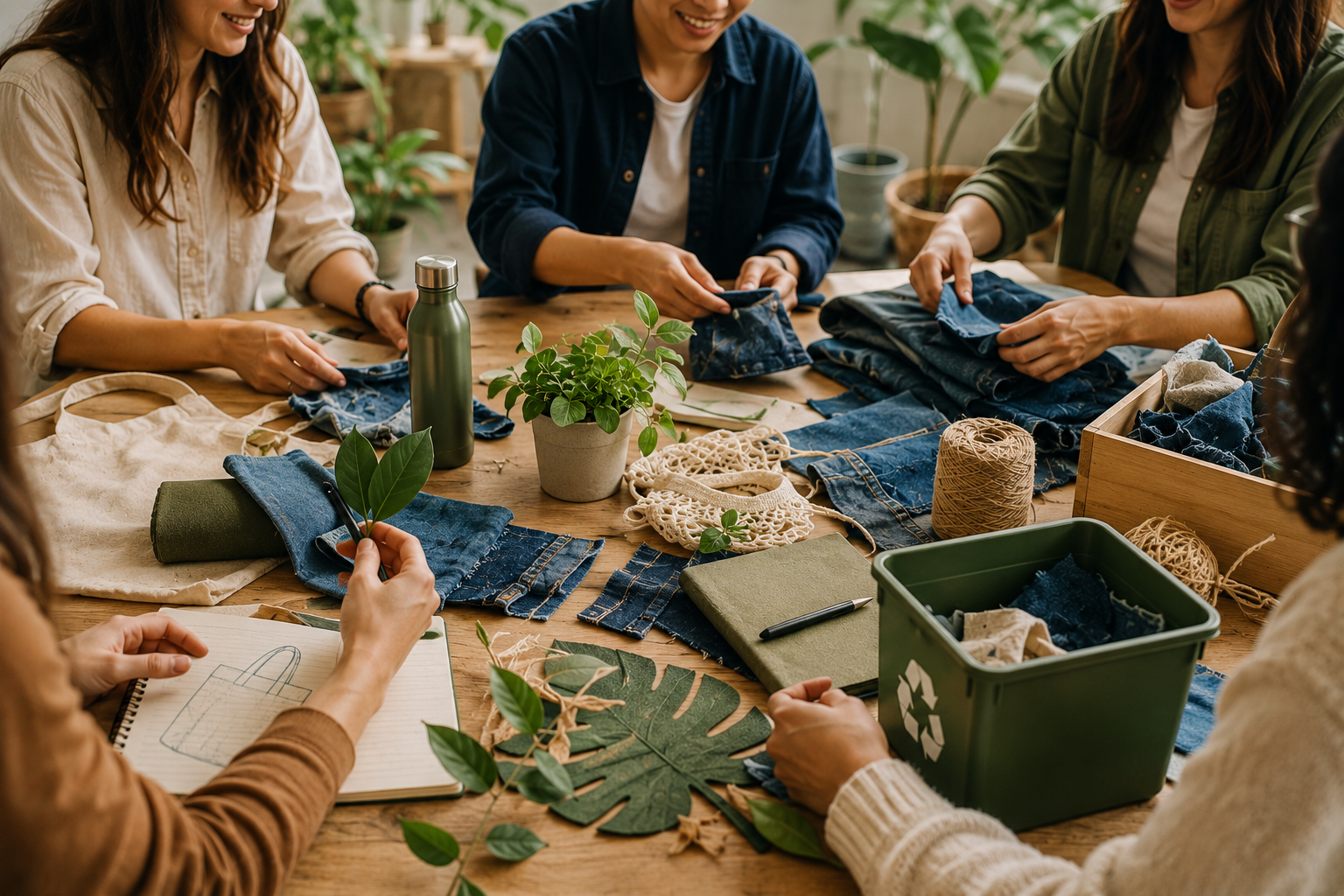
Seeing piles of fabric scraps makes it real. Learning about factory processes shifts perspective. Finding new uses for old clothes changes minds. Each step brings eco-awareness closer to everyday life.
Out of such moments comes a quiet shift – ways of acting start to evolve. Noticing trash takes on new meaning, attention grows around decisions made during the day, even off the clock.
Stronger Team Bonds
Team bonding happens differently when people gather for sustainability workshops. These events push coworkers to collaborate, think fresh thoughts, leave routines behind. Instead of sitting through lectures, participants build ideas hand-in-hand while tackling real challenges.
Working side by side, people test possible fixes, pass thoughts back and forth, yet dig into the roots of ecological issues. A space like this builds stronger team bonds even as it shapes common goals.
Together through shared moments, bonds grow tighter while dedication to common aims deepens naturally. A sense of unity builds quietly when people experience purposeful tasks side by side. Stronger ties emerge not from speeches but from doing real things alongside one another. Moments that matter tend to stick, shaping how team members support each other later on. What feels like just an activity today can become the foundation for trust tomorrow.
Employee Engagement and ESG Goals
Most companies set ESG targets though getting there means workers need to get involved.
Out there, sustainability workshops link ESG goals to regular work routines. Because of these sessions, staff see the point behind eco efforts more clearly. One thing leads to another – people start spotting their own role in bigger company targets. Step by step, awareness grows through hands-on learning. Not just theory, real tasks show where changes fit naturally. When teams try things themselves, ideas stick better. Over time, small choices add up across departments.
This shift nudges companies past mere rules and checklists into real shifts in how people think. Workers start stepping up on green initiatives instead of just watching from the sidelines.
Upcycling Workshops and Their Place
These days, more people join upcycling classes since hands-on making goes hand in hand with learning eco-friendly habits.
Working hands-on beats just talking about trash. With cast-off fabrics and extra bits in front of them, people start shaping new uses from old things. Ideas shift when you’re touching what others tossed out. New life comes not from tossing more into landfills, but from rethinking what’s already there. Making becomes a kind of undoing, then rebuilding again.
From touching fabric scraps to reshaping old clothes, each step shows how circular fashion works in real life. Because of this, people start seeing value in things once ignored. A button, a torn sleeve – these pieces spark fresh ideas instead of ending up discarded. What was overlooked now gets another chance through imagination.
Helping People Keep New Habits Over Time
Long after the lights go off, real change sticks when people keep doing what they started. A workshop might just be where that begins – quietly shaping choices without fanfare.
Most of the time, workers who learn by doing start to make greener choices without thinking twice. Cutting down on trash here, giving old supplies another life there – these quiet moves add up when repeated day after day.
What matters most isn’t just teaching – it’s lighting a spark that moves people to move.
Businesses Invest in Sustainability Workshops
People matter just as much as procedures when companies take on green goals. What drives change often comes from teams, not templates. Workers shape outcomes more than checklists ever could. A shift happens where culture carries weight equal to compliance. Human choices ripple through every eco effort made. Not rules alone but relationships move progress forward. Minds engaged beat manuals every time. Real impact grows where trust exists alongside targets.
Workshops provide several benefits, including:
- Improved employee engagement
- Greater awareness of environmental issues
- Stronger alignment with ESG objectives
- Enhanced team collaboration
- Increased understanding of circular economy principles
Out of sight, these results quietly shape how people work together day by day. A rhythm forms – steady, unforced – where caring for resources goes hand in hand with lasting growth. Not forced. Just built into choices made each morning over coffee, during meetings, on quiet afternoons. Longevity grows from such small roots.
useDEM Workshops Spark Change Through Hands-On Learning and Group Collaboration
Imagine touching the future instead of just talking about it. That is what drives useDEM. Hands-on sessions let people see how old clothes hurt nature. From there they begin finding clever ways to reuse materials. Each step offers clear ideas anyone could start using today.
Start here: real talks on sustainability spark new thinking in companies. When nature’s pressures meet bold ideas, progress begins. Teams wake up to purpose when they see problems clearly. Change grows slowly, then fast. Step by step, habits shift. Small choices today shape tomorrow’s impact. Seeing matters more than slogans. Action follows attention. Good work starts with honest questions.
The Future of Workplace Sustainability
When it comes to staying green, more companies are looking hard at how they connect with workers. One thing shifts slowly – efforts grow where teams feel involved.
Something shifts when teams gather to learn by doing. Workshops turn big ideas about sustainability into hands-on moments anyone can grasp. Instead of distant theories, people find real ways to engage, shaped through shared effort. Understanding grows not from lectures but from building things together. These sessions link knowledge with action in ways that stick.
Tomorrow’s steady progress grows from what teams learn now. Those who teach their people today plant quiet roots for lasting strength.
Conclusion
Work begins differently when people see how small choices shape bigger outcomes. Learning happens through doing, sharing ideas, noticing what works. Moments of connection spark new thinking about daily habits. Real talk replaces theory, making space for honest questions. Change grows slowly, then suddenly, because someone decided to try. Understanding deepens not by lecture but by experience. Impact becomes clear when it shows up in routines, decisions, moments that matter.
Workshops like these shift how people see their role in a company. One moment they’re just doing tasks, next they’re spotting ways to cut waste without being asked. Change sticks when it feels normal, not forced. People start speaking up because they’ve practiced it together. Over time, choices align with bigger values – without needing reminders. Culture shifts quietly, through repeated actions that add up.
Change sticks when folks see how their decisions shape things around them.