- April 16, 2026
How Businesses Can Turn Textile Waste into Profit with Upcycling
These days, staying green gives firms an edge. Firms everywhere face growing demands to cut trash, hit ESG targets, because they must show care for nature. Turning old fabric scraps into new value stands out as one fresh method.
Out of extra stuff, companies such as useDEM build useful goods – showing profit doesn’t have to cost the earth. A smarter way forward hides in what we already own.
The Rising Issue of Fabric Waste in Companies
Out of sight, old clothes pile up behind store walls. Behind the scenes, extra fabric from making garments gets tossed more than reused. Instead of finding new uses, last season’s styles rot in dumps. Waste builds where cloth is cut, stitched, shipped. Leftover rolls and rejected batches leak into soil and air.
Yet here’s something odd: what looks like trash might really be gold. When handled differently, companies find ways to turn leftovers into useful goods you can sell – fewer emissions creep out during production now, plus money comes in more than before.
This idea gains momentum when large-scale reuse enters the picture.
Commercial Upcycling As A Business Model
Nowadays factories handle old clothes better than home projects ever could. With smart planning mixed into bold ideas, extra material gets transformed somehow into solid new products.
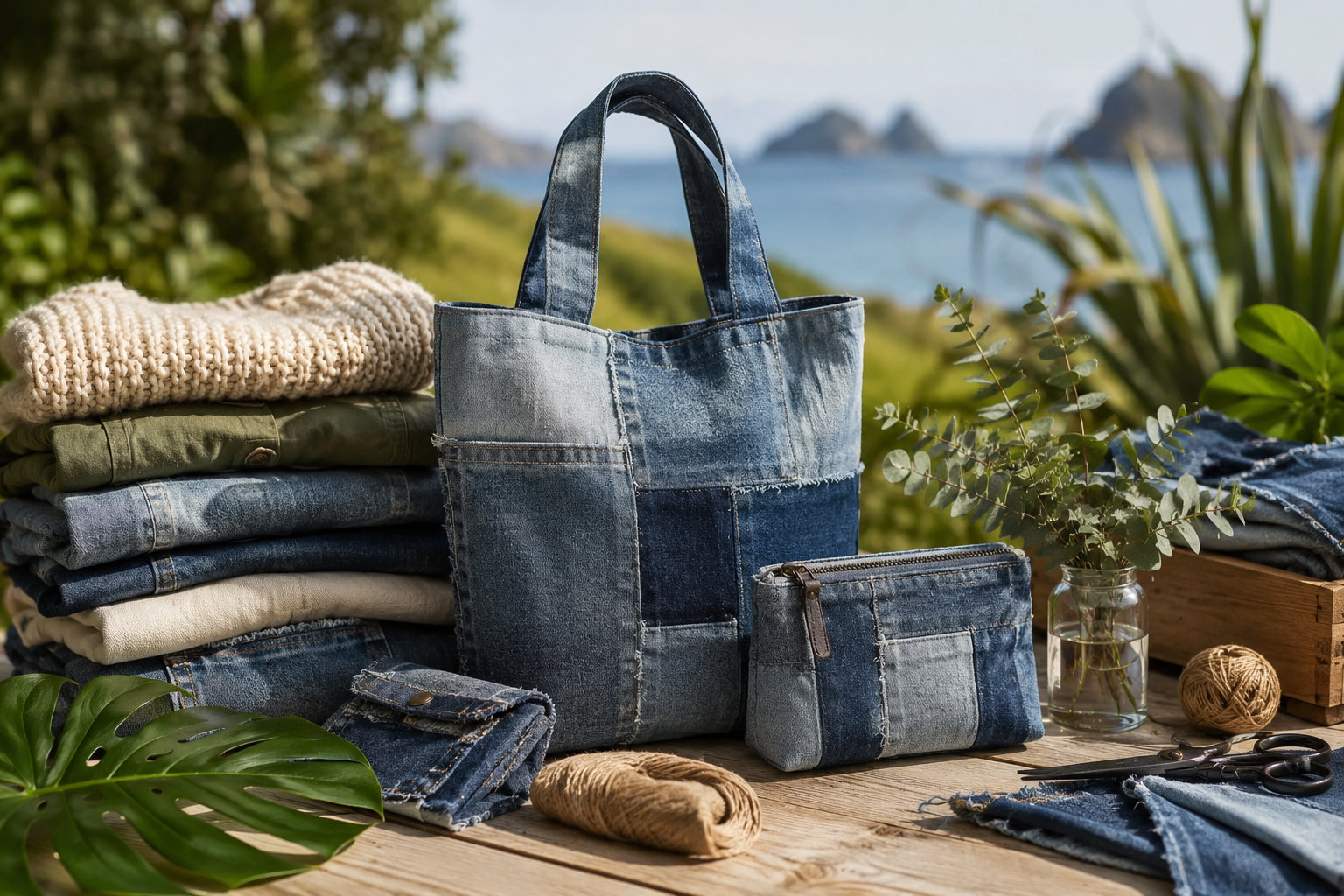
One project shows how tons of old fabrics turn into fresh goods. Efficiency jumps when material reuse scales wide across operations. Natural supplies stay intact because discarded clothes find new purpose instead. Less trash piles up during making since leftovers get remade early on.
What really matters is how companies now see trash as cash. Not only do they cut junk, but also reshape it into earnings. Waste shifts from burden to benefit, quietly building value where none seemed possible.
Corporate Sustainability Meets Brand Value
Folks now see brands through the lens of sustainability. When a company shows real effort toward protecting nature, people tend to pay attention – loyalty often follows. Instead of empty claims, actions speak louder than slogans ever could.
By integrating upcycled products into their operations, businesses can:
Strengthen their sustainability credentials
Build deeper customer trust
Differentiate themselves in competitive markets
From Levi’s to Volvo, big names such as Adidas and ASICS are weaving old materials into new life through creative reuse. These companies show how fresh ideas can grow when waste gets a second chance.
Sustainable Corporate Gifts That Make a Difference
Out of nowhere, companies are ditching cookie-cutter presents that sit forgotten on desks. A shift is quietly taking hold – driven by choices that actually mean something.
Something old becomes something new with reused business presents. Built using leftover stuff, each item tells its own tale – about care for the planet, clever design, maybe even second chances. These aren’t just handouts; they’re quiet statements wrapped in purpose.
What sticks with people often goes beyond utility – brand choices reflect deeper priorities. A thoughtful approach builds memory traces in customers’ minds, all while toning down harm to the planet.
When people look for realness, presents tied to eco care tend to build stronger connections with brands.
Deadstock Transformed Into New Collections
From forgotten fabric rolls, entire clothing lines begin. What sits unused in warehouses becomes runway material through clever reuse. Old stock finds new life when designers choose reinvention over waste. Instead of discarding surplus, brands reshape it into fresh styles. Unused cloth gains purpose again, piece by piece.
Leftover stuff doesn’t have to go to waste. Companies might team up with specialists who turn old items into something new. These partnerships often spark unusual solutions. Old materials find fresh purpose through creative reworking. Expertise in transformation makes a difference here. Ideas emerge where none seemed possible before. Unused things gain value again, just differently
Limited-edition collections
Exclusive product lines
Sustainable fashion offerings
Out of something once tossed aside, companies now find value. From that shift comes fresh looks catching eyes where most blend in.
Profits grow while trash piles shrink. A different outcome shows up when less goes to landfills. More stays in pockets because less gets tossed away.
Workshops Moving Past Simple Awareness
Change begins when people step in. Not simply following steps – workers bring ideas, care, thought. When teams truly grasp what sustainability means, actions shift on their own. Participation grows where meaning connects. Understanding sparks effort more than rules ever could.
Here’s when those upcycled material classes start making real sense.
Out here, workshops trade lectures for doing. Instead of watching, people get moving – shaping trash into useful stuff. Getting involved like that? It sticks.
Build creativity and confidence
Encourage innovative thinking
Create a deeper emotional connection to sustainability
Workshops do more than just inform companies. Teams start moving together toward ESG targets because real tools show up fast – ready to use right away.
Change happens when understanding takes root. What begins as insight grows into something entirely different. A shift occurs, quiet but deep. Not simply learning – something more like becoming.
ESG Goals Meet Real World Action
Some businesses find it hard to turn eco aims into real steps. Yet upcycling offers a way that’s both concrete and trackable.
Through structured programs, businesses can:
Track waste reduction
Measure environmental impact
Implement circular economy practices
Now it’s something you can point to, not just talk about. Proof shows up in actual outcomes – watch trust grow when numbers back claims.
Working Together Shapes Tomorrow’s Responsible Business
One business by itself won’t fix ecological issues. When makers, labels, and green specialists work together, progress follows.
Working alongside creatives who reuse materials opens doors for companies. These collaborations bring fresh chances to grow. New paths emerge through shared ideas. Resourceful thinkers offer different ways forward. Together, progress takes shape in unexpected forms
Creative design expertise
Scalable production systems
Proven sustainability frameworks
Working together speeds progress on ethical operations, because lasting results matter. A shift happens when groups team up, since follow-through is built in. With shared effort comes faster movement into better ways of working, as sustainability becomes real.
The Future Where Waste Turns Into Value
Waste isn’t seen the same way anymore. Things thrown away before are starting to matter again.
Out here, turning old things into something new drives change more than you’d expect. Not just about helping the planet – companies doing this often find they stand out in a crowded market. A shift like this? It quietly reshapes how value gets made while cutting waste at the same time. Those who jump in early tend to shape what comes next without saying a word.
Conclusion
One step at a time, businesses are turning waste into worth through upcycling. Not just gifts but entire product lines now take shape from discarded materials. Workshops bring teams together while giving old items new purpose. With every reused material, companies weave eco-conscious choices into daily work. Sustainability no longer waits – it shows up in boxes, desks, and meeting rooms.
Something fresh starts when old things might otherwise be tossed – useDEM shows how junk becomes just another raw material. A loop forms instead of an ending, one where yesterday’s discard builds today’s useful item. Life stretches on, twisted into different shapes.
Change waits for no one. Firms stepping forward see it this way: caring for Earth pays off, because long-term thinking builds stronger returns.