
Circular Fashion Services for Germany

Sustainable Fashion for a Circular Future
Pressure mounts on fashion worldwide to cut fabric trash, shift toward greener making methods. Germany sees companies hunting fresh tactics – driven by rising eco-duty, circular systems – not just toss more stuff away. Waste drops when smart reuse spreads; progress shows where policy meets practical change. Resource squeeze pushes new thinking, sparks quieter revolutions inside factories and supply chains alike. Old models fade as repair, recycle, rethink gain slow but steady ground across the region.
A fresh way to rethink fashion starts here, built for German brands ready to move beyond old methods. Instead of tossing textiles, we find smarter paths through reuse and creative redesigns. Clothes gain longer lives when made with purpose, using techniques that skip excess waste. Design choices shift toward lasting impact, not short-term trends. Materials get a second turn rather than ending too soon. Every step aligns with practical solutions already within reach.
Turning old fabrics into fresh goods helps German companies meet eco targets without losing creative edge or originality. Instead of waste, there is reuse – fueling progress through smart choices. Quality stays high because solutions grow from real needs, not trends. Ideas take shape where limits once stood, building value from what was overlooked.
Circular Fashion Explained?
Waste takes a back seat when clothes live longer. Moving away from one-time use, garments get mended, remade, or reborn through creative shifts. Old fabrics find new shapes rather than ending up discarded. Systems change quietly beneath the surface, favoring loops over linear paths.
Key principles of circular fashion include:
- Reducing textile waste
- Reusing existing materials
- Extending product life cycles
- Designing for sustainability
- Supporting responsible manufacturing
Fashion that circles back on itself now matters more in Germany, where eco-friendly making of clothes gets strong backing through national policy pushes. A growing focus lands on reuse and smarter systems, shaped by rules meant to cut waste while supporting longer clothing life spans across the board.
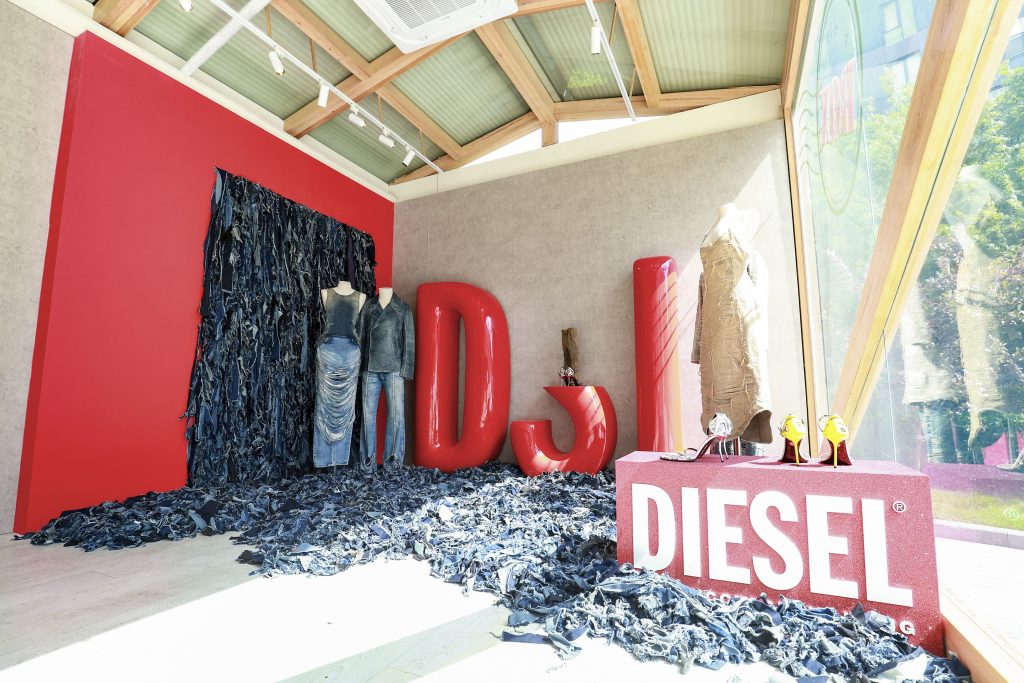
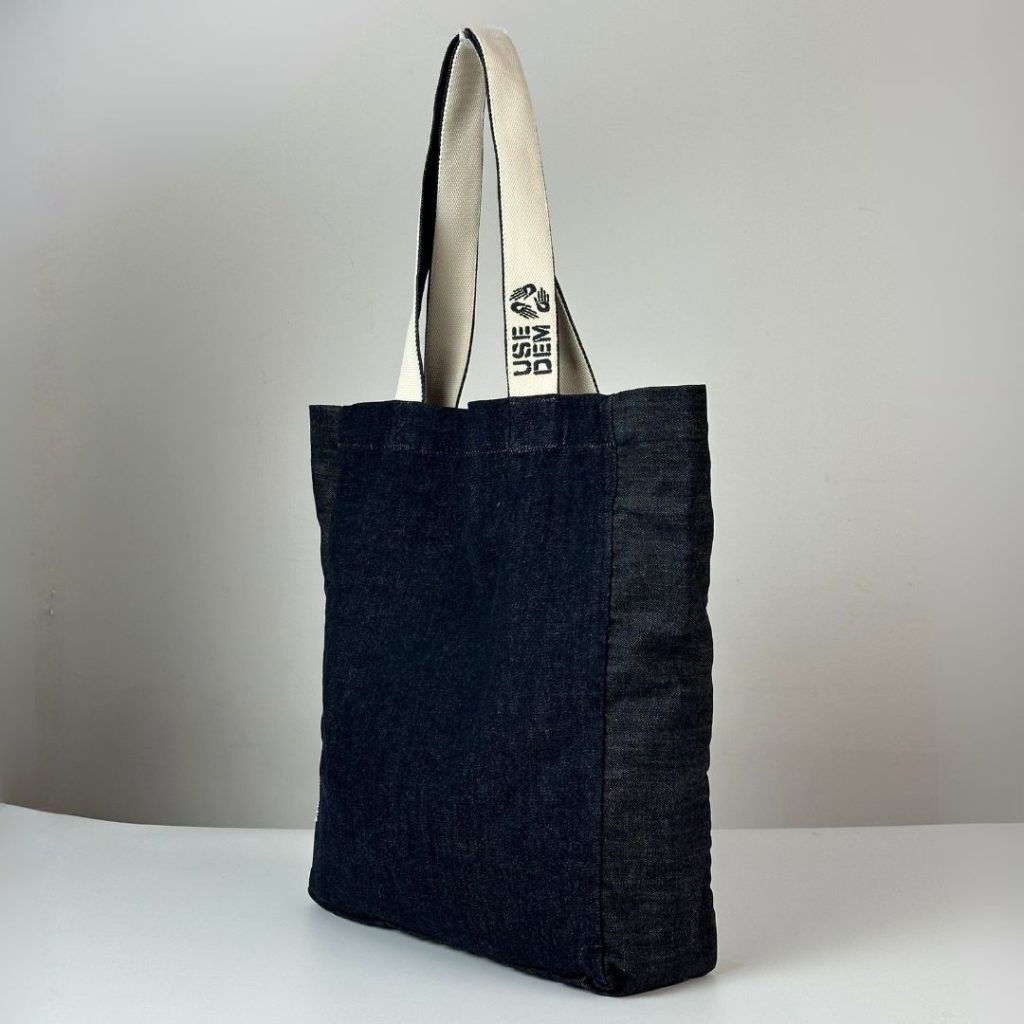
Industries Supported in Germany
Fashion loops in Germany now fit many kinds of work areas. Some groups find them useful, others slowly begin to see how they help. Different needs match different uses across fields.
We work with:
- Fashion brands
- Clothing retailers
- Corporate organizations
- Universities and design institutions
- Event organizers
- Sustainability programs
Working alongside useDEM lets groups turn old fabrics into useful items while helping build a greener tomorrow. What happens when scraps become resources? A shift begins – quiet, real, different each time. Old cloth finds new purpose through steady effort. Progress shows up not in speeches but in material change. One thread at a time, systems begin to bend toward care instead of discard.
The Future Of Circular Fashion In Germany
Nowhere else is change happening faster than in Germany, where old materials get new life instead of ending up discarded. Fashion steps into this shift differently – by rethinking how clothes are made while pushing buyers to choose wisely.
Fueled by rising attention, businesses now look beyond familiar names – finding allies skilled in reshaping fashion through reuse, smarter materials, longer life. New ties form where old waste meets fresh thinking.
A fresh start begins when trash becomes a resource instead of an afterthought. One way forward shows up through smarter choices, where ideas shape how materials live again. Step by step, different paths appear – driven by doing things another way. Waste shifts form because thinking changes first.
Circular fashion matters in germany
Reduced Textile Waste
Fashion items find new life instead of piling up where trash collects. Old clothes take on fresh roles before reaching dump sites.
Lowering Carbon Emissions
Fewer raw resources get pulled from the earth when old stuff gets another life. Manufacturing slows down because less fresh material is needed. Energy heavy processes lose demand as reuse takes over. Factories burn less power when recycling fills supply gaps.
Supporting the Circular Economy
Fashion that circles back fits how Germany aims to use less and waste nothing.
Meeting Consumer Expectations
These days, folks tend to lean toward companies that care about the planet while making their products.
Recycling Clothes in Germany
From small steps to bigger changes, useDEM supports German brands with practical circular fashion options. Whether it’s rethinking materials or redesigning systems, fresh approaches help lower harm to nature. Innovation grows quietly here, built on real efforts instead of promises. For groups aiming to move differently, support arrives without noise or scripts.
1. Textile Upcycling Solutions
Out of old fabric rolls and leftover scraps, fresh pieces take shape - crafted differently, made to last. By reimagining what's already there, materials get a second run without wasting resources. Designs emerge not from scratch but through clever reuse and careful process choices. Each item carries less weight on the planet because how it’s built matters just as much as what it becomes.
2. Sustainable Product Development
Finding greener options occupies many German businesses these days. Still, they aim not to burden nature more while doing so. Some shift materials slowly, others rethink design first. Progress shows here and there, yet balance remains tricky. Each step forward must skip old mistakes. Quiet changes add up over time. Behind every piece, collaboration shapes how useDEM builds fashion from old materials turned new. Together with labels, the process begins by rethinking waste as a resource. From there, ideas take form through careful choices - each detail rooted in reuse. Not everything gets discarded; some things just need another chance. What emerges is clothing made differently, where origin stories matter as much as outcome.
3. Corporate Circular Merchandise
More German firms now build green practices right into how they operate. Through our circular fashion solutions, brands can turn used fabrics into sustainable merchandise that carries their name. Not just waste reduction - a new way to represent values through product.
4. Fashion Brand Collaboration
A fresh twist comes when useDEM teams up with German fashion labels. These partnerships craft small-run clothing lines. Old stock finds new life through redesigned pieces made from leftover fabrics. Waste gets reshaped into wearable items instead of piling up. Each collection works within limits - material determines what can be built. Unused textiles become the base, not an afterthought.
discover collaborations
useDEM circular fashion services
Textile Upcycling Know How
Fashion scraps find new life through our work, where fresh ideas shape smarter ways to make clothes. Old materials become part of something different, guided by choices that ease pressure on nature.
Custom Sustainability Solutions
Starting fresh on each project, our work walks step by step with brands, shaping circular fashion plans that fit how they see themselves and what they aim to achieve sustainably. Ending only when it feels right.
Innovative Design Approach
From recycled materials rise designs that work well, yet catch the eye. Each build follows nature’s rhythm, staying useful without losing charm. Function walks beside form, shaped by thoughtful choices. Looks matter just as much as lasting longer. Ideas turn waste into pieces people want to keep.
Responsible Production Commitment
Materials get another life instead of being thrown away because of what we do. The way clothes are made begins to change when old stuff keeps getting used again. Waste fades into the background while reuse takes center stage slowly. This shift happens not by chance but through steady effort every day.